

Is Your Heat Pump Acting Up? Fix It Fast with These Expert Tips
Don't Sweat It, We Can Help
When your heat pump not cooling properly during a scorching Palm Desert summer, every minute feels like an eternity. The good news is that most cooling issues have simple causes you can often fix yourself in just 15 minutes.
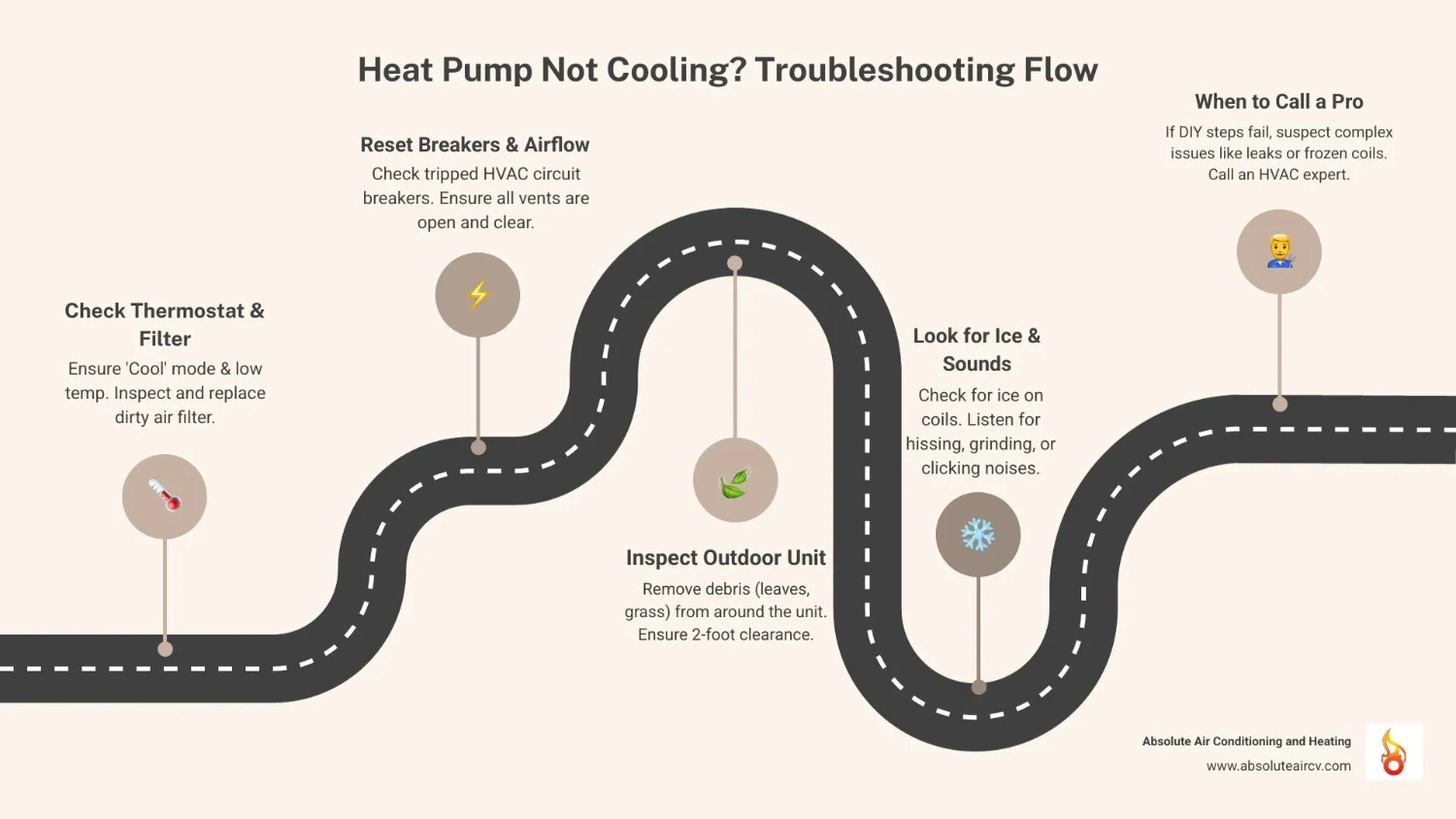
Quick troubleshooting checklist for a heat pump not cooling:
- Check thermostat settings - Ensure it's set to "Cool" and the temperature is below the current room temp.
- Inspect air filter - Replace if it's dirty or clogged, as this restricts airflow.
- Reset circuit breaker - Check your electrical panel for any tripped HVAC breakers.
- Clear outdoor unit - Remove debris and ensure there's a 2-foot clearance around it.
- Look for ice buildup - Frozen coils prevent cooling and require professional attention.
- Listen for unusual sounds - Grinding or hissing may indicate mechanical failure.
Heat pumps work by transferring heat from inside your home to the outside air. When this process is disrupted, you're left sweating in the desert heat while your energy bills climb.
In Palm Desert's extreme temperatures, a working heat pump is essential for health and safety. The most common culprits behind cooling failures are often simple: incorrect settings, dirty filters, or blocked airflow. However, some issues like refrigerant leaks, frozen evaporator coils, or stuck reversing valves require professional expertise to diagnose and repair safely.
Simple DIY Checks You Can Do in 15 Minutes
Before you panic, let's tackle the most common fixes. Most heat pump not cooling problems have surprisingly simple solutions that take just minutes to resolve. These quick checks can often get your comfort back on track.
Check Your Thermostat Settings First
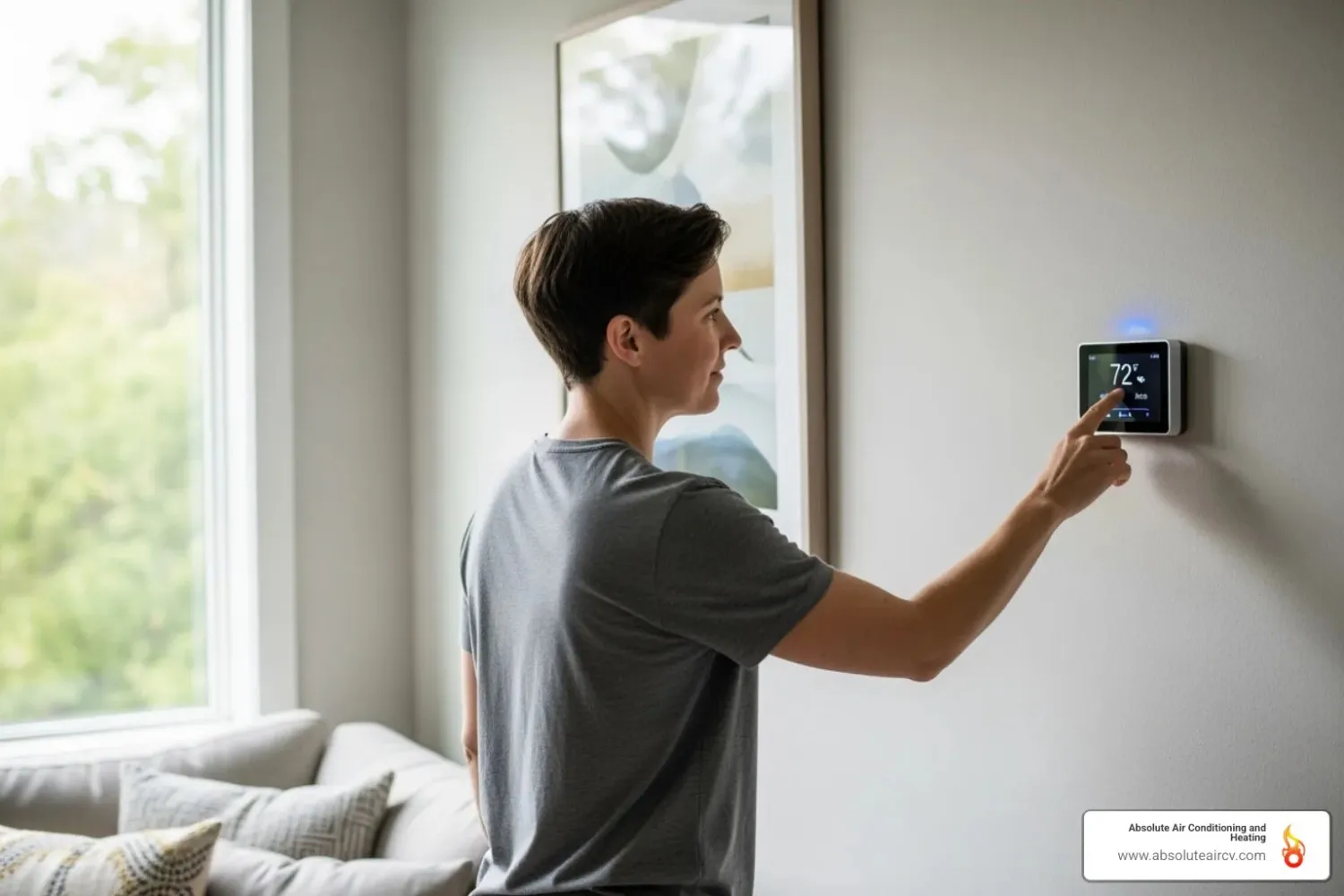
Your thermostat is the command center for your cooling system. A simple setting mix-up is a very common reason for a service call. Start by making sure your thermostat is set to "Cool" mode, not "Heat" or "Fan Only." Next, check that your target temperature is at least 2-3 degrees below the current room temperature. If it's set to 78°F and your house is already 77°F, your heat pump won't turn on.
Here's a pro tip: set your fan to "Auto" instead of "On." On "Auto," the fan only runs when actively cooling. The "On" setting circulates air constantly, which can make your system feel less effective between cooling cycles.
If you have a smart thermostat, try restarting it or checking its app for error messages. Sometimes a quick refresh is all it needs.
Inspect Your Air Filter and Vents
A dirty air filter is one of the top reasons for a heat pump not cooling effectively. A clogged filter restricts airflow, forcing your system to struggle. Your filter is usually located in your indoor air handler or behind a large return vent. Pull it out and hold it up to the light. If you can't see through it, it's time for a replacement.
To change the filter, note the direction of the airflow arrows, slide out the old one, and insert a new one with the arrows pointing the same way. Most filters should be replaced every 1-3 months.
While you're at it, do a quick walk-through of your home. Ensure that furniture, curtains, or boxes aren't blocking any supply or return vents. Free airflow is crucial for efficient cooling.
For more detailed troubleshooting steps, check out our Troubleshooting Heat Pump Problems guide.
Reset the Circuit Breaker
If your unit won't turn on at all, a tripped circuit breaker might be the culprit. Head to your electrical panel (usually in the garage, utility room, or a closet) and look for breakers labeled "HVAC," "Heat Pump," or "Air Handler." If a breaker is in the "Off" position or halfway between "On" and "Off," you've likely found the problem.
To reset it, push the breaker firmly to the "Off" position first, then flip it back to "On." You should feel a solid click.
Important safety note: If the breaker trips again immediately, do not keep resetting it. This indicates a more serious electrical issue that needs professional attention, as repeatedly resetting it can be dangerous.
After resetting, give your heat pump a few minutes to start up. You should hear the outdoor unit turn on and feel cool air from your vents.
Investigating Your Indoor and Outdoor Units
Now that you've covered the basics, it's time to examine the heart of your system. A heat pump not cooling could be due to an issue with the outdoor condenser unit or the indoor air handler. Both must work together for your system to cool properly.

What to Look for at the Outdoor Unit
Your outdoor unit releases the heat removed from your home. For it to work well in Palm Desert's heat, it needs proper conditions.
First, check if the fan is spinning. When the system is cooling, the large fan on top should be turning. If it's not, it could indicate a power issue, a failed motor, or a bad capacitor, all of which require professional service.
Next, look for debris obstruction. Desert winds can blow leaves, grass, and dirt into the condenser coils, hampering the unit's ability to release heat. Gently clear away any visible debris, being careful not to bend the delicate metal fins.
Ice buildup on your outdoor unit during summer is a major red flag. It signals a serious problem like low refrigerant or restricted airflow. Do not try to chip the ice away, as this can damage components.
Finally, check your unit clearance. The unit needs at least two feet of clear space on all sides to breathe. Trim back any shrubs or move objects that are too close. Proper airflow is critical in our climate. For more insight, see our guide on Why Your AC Struggles in Extreme Heat.
Potential Issues with the Indoor Air Handler
Your indoor air handler circulates cool air throughout your home. If it has a problem, you won't feel any cool air from your vents.
A failed blower motor is a common culprit when the outdoor unit is running but no air is coming from the vents. This motor pushes conditioned air through your ductwork.
Look for water leaks around your indoor unit. Your heat pump removes humidity, creating condensation that drains away. If the drain line clogs, water can back up and trigger a safety switch, shutting down your system to prevent water damage.
Unusual noises like banging, screeching, or grinding from the air handler often indicate failing components like motors or bearings. These are warning signs of an impending breakdown and should be addressed promptly.
Common Culprits Behind a Heat Pump Not Cooling
This section covers more complex mechanical or electrical failures that prevent your heat pump from cooling. These issues typically require the expertise of a professional HVAC technician.
Why a Heat Pump Not Cooling Can Be a Refrigerant Issue
Refrigerant is the substance that absorbs heat from your home and releases it outside. If your system is low on refrigerant, it means there's a leak, as refrigerant is not consumed during operation. A leak is a serious reason for a heat pump not cooling because it reduces cooling capacity and can damage your compressor.
Signs of a refrigerant leak include:
- Reduced Cooling: The system runs constantly but your home doesn't get cool.
- Hissing or Bubbling Sounds: These noises may come from the refrigerant lines.
- Ice on Coils: A leak can cause the indoor evaporator coil to freeze.
- Oily Residue: You might spot oily patches near refrigerant lines or coils.
- Higher Energy Bills: The system runs longer to compensate, using more electricity.
If you suspect a leak, call an EPA-certified HVAC professional. Only licensed technicians can legally handle refrigerants. For more signs, check our Signs You Need AC Repair guide.
The Problem with a Frozen Evaporator Coil
A frozen evaporator coil, located in your indoor unit, will stop your heat pump not cooling. When the coil is covered in ice, it cannot absorb heat from your indoor air, causing the system to blow warm air.
Common causes of a frozen coil include a dirty air filter, low refrigerant, or blocked return vents—all of which restrict airflow over the coil.
If your coil is frozen:
- Turn off the System: Switch the heat pump off at the thermostat to prevent compressor damage.
- Allow it to Thaw: Let the ice melt naturally, which can take several hours. Place towels around the unit to catch water.
- Check the Filter: Once thawed, replace the air filter if it's dirty.
- Call a Professional: If the coil refreezes, an underlying issue needs to be addressed. We can help you Prevent Heat Pump Freezing in Palm Desert for good.
A Stuck Reversing Valve
The reversing valve allows a heat pump to switch between heating and cooling by changing the direction of refrigerant flow. If this valve gets stuck in heating mode, your heat pump will blow hot air even when the thermostat is set to cool. This is a classic reason for a heat pump not cooling. A clicking noise from the outdoor unit may indicate the valve is trying but failing to switch. This issue requires a professional repair.
Other Failing Components
Several other parts can fail and stop the cooling process:
- Capacitor Failure: Capacitors provide the jolt of electricity to start the fan and compressor. If one fails, you might hear a clicking noise as the unit tries to start.
- Compressor Issues: The compressor is the heart of the system. A failing compressor may make loud grinding noises or simply not turn on. This is a major and costly repair.
- Contactor Problems: This electrical switch turns the outdoor unit on. If it's worn out or stuck, it won't send power to the compressor and fan.
- Defective Fan Motor: If the outdoor fan motor fails, the unit can't release heat and will shut down. If the indoor fan motor fails, no cool air will circulate in your home.
These component failures require professional diagnosis and repair.
When to Call a Pro and How to Prevent Future Issues
Knowing when to stop troubleshooting and call for professional help is key to avoiding further damage to your system. While simple fixes are great, some problems require an expert.
Signs You Need Professional Heat Pump Repair
If you've worked through the basic checks and your heat pump not cooling problem persists, it's time to call for help. Here are the signs that you need a professional:
- DIY Troubleshooting Fails: You've checked the thermostat, filter, and breakers, but the issue remains.
- Suspected Refrigerant Leaks: Hissing sounds, oily spots, or ice on the coils point to a refrigerant problem that only EPA-certified technicians can handle.
- Electrical Issues: Constantly tripping breakers, burning smells, or visible wire damage are serious safety hazards.
- Loud or Grinding Noises: Sounds like grinding, screeching, or banging often mean critical components are failing and continuing to run the system could cause more damage.
- Age of the Unit: If your heat pump is over 10-15 years old and has frequent issues, replacement might be more cost-effective than another repair. Our team can help you evaluate if Heat Pump Repair Palm Desert CA is the right choice.
Preventative Maintenance for Peak Performance
The best way to avoid a heat pump not cooling emergency is through regular preventative maintenance. Professional tune-ups twice a year—once in the spring for cooling and once in the fall for heating—are your system's best defense against breakdowns.
During a maintenance visit, our technicians perform a comprehensive checkup. Spring prep focuses on cooling performance, including cleaning the outdoor condenser coils and verifying refrigerant levels to ensure your system can handle Palm Desert's summer heat. Fall prep shifts to heating readiness, checking the defrost cycle and other heating components.
This process involves cleaning coils, checking refrigerant, inspecting electrical connections, and lubricating motors. Regular maintenance prevents breakdowns, keeps energy bills lower, and extends your system's lifespan. Trust our team for Heat Pump Maintenance Palm Desert CA. The importance of heat pump maintenance is critical for year-round comfort.
Troubleshooting a Heat Pump Not Cooling vs. Not Heating
Understanding the difference between cooling and heating problems helps. While some issues affect both modes, others are season-specific.
- The Reversing Valve: This component is key. If your heat pump not cooling but blowing warm air, the valve might be stuck in heating mode. The reverse is true if it blows cold air in winter.
- Defrost Cycles: This is unique to heating mode. Your heat pump may briefly blow cool air to melt ice from the outdoor coil in winter. This is normal.
- Cooling-Specific Problems: These often relate to your system's ability to release heat outside, such as dirty outdoor coils or low refrigerant.
For seasonal issues, our guide on how to Tackle Spring Heat Pump Issues offers targeted solutions.
Frequently Asked Questions about Heat Pump Cooling Problems
After years of helping Palm Desert families, we've noticed certain questions come up repeatedly. Here are the answers to the most common ones.
What is the most common reason a heat pump stops cooling?
The most frequent causes are often the simplest to fix. The top reasons we encounter on service calls are:
- Incorrect thermostat settings: The system is accidentally set to "Heat" or the target temperature is not below the current room temperature.
- Dirty air filters: A clogged filter restricts airflow, preventing the system from cooling effectively.
- A tripped circuit breaker: A power surge can trip the breaker, cutting power to the unit.
If these simple fixes don't work, the issue could be more serious, such as low refrigerant levels.
How do I know if my heat pump is low on refrigerant?
Low refrigerant doesn't have an obvious indicator, but it leaves several clues. Look for these signs:
- Insufficient cooling: The system runs for long periods but can't cool your home to the set temperature.
- Hissing or bubbling sounds: These noises from the refrigerant lines can indicate a leak.
- Ice buildup: A frozen indoor evaporator coil is a classic sign of low refrigerant.
- Higher energy bills: A struggling system uses more energy to try and compensate.
- Oily residue: Leaks can leave greasy spots on or around refrigerant lines.
Since handling refrigerant requires certification, you should call a professional if you suspect a leak.
Can I fix a heat pump that's not cooling myself?
Yes, many common heat pump not cooling problems are perfect for a DIY fix. We encourage homeowners to try these steps first:
- Check your thermostat: Ensure it's on "Cool" and the temperature is set correctly.
- Change the air filter: This is the most impactful DIY task you can perform.
- Clear the outdoor unit: Remove any leaves, grass, or debris from around the unit.
- Reset the circuit breaker: Flip the breaker off and then on again.
However, you should stop and call a professional if these steps don't work, or if you notice signs of a refrigerant leak, persistent coil freezing, electrical problems beyond a simple breaker reset, or loud mechanical noises like grinding or screeching. Attempting complex repairs can be unsafe and lead to more expensive damage.
Your Local Experts for Reliable Cooling
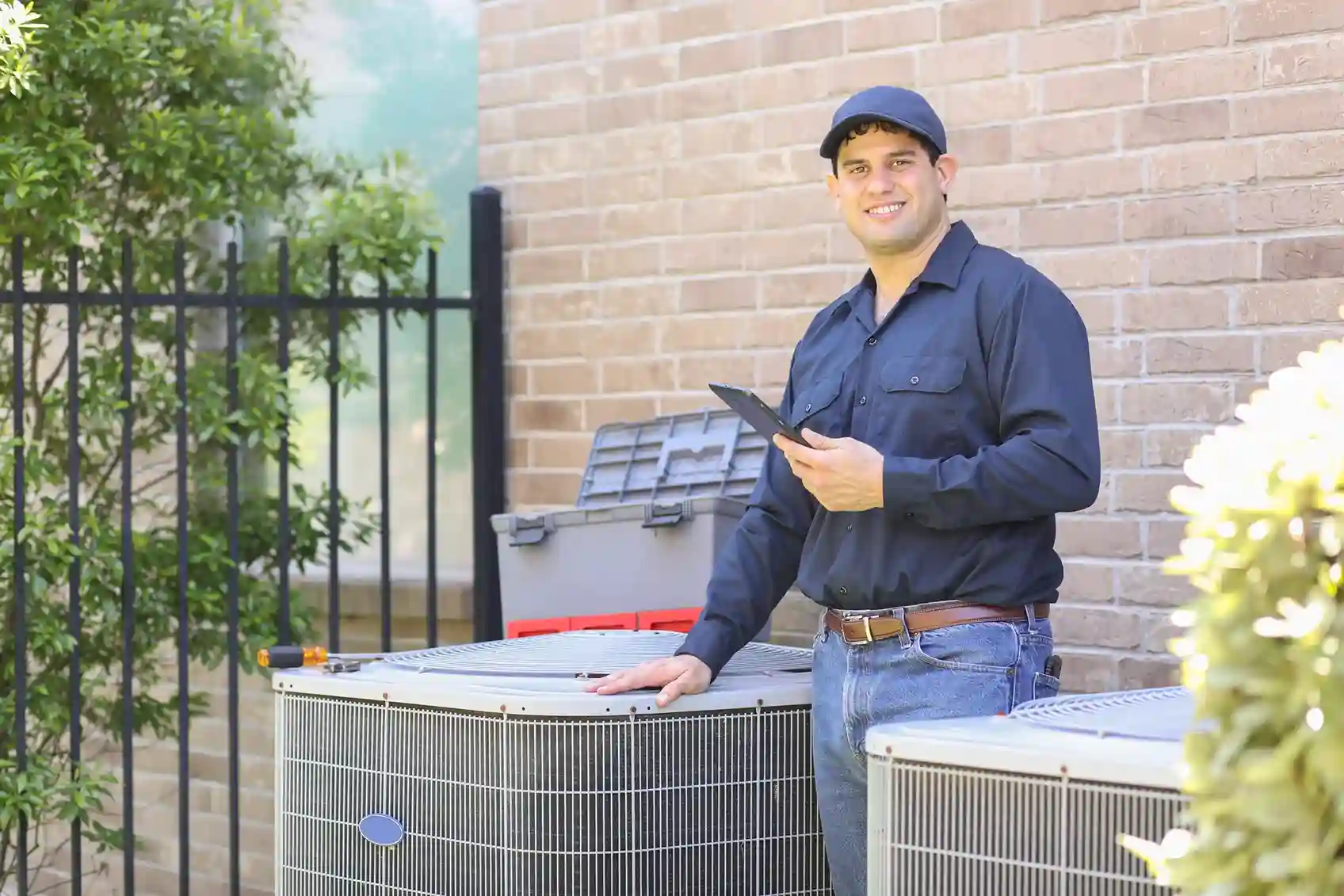
When your heat pump not cooling leaves you in the heat of a Palm Desert summer, you need fast, reliable help. You need experienced professionals who understand our local climate and can restore your comfort quickly.
This guide has covered everything from simple thermostat checks and dirty filter fixes to complex issues like refrigerant leaks and stuck reversing valves. While many problems have DIY solutions, some situations require professional expertise. That's where we come in.
At Absolute Air Conditioning & Heating, we are your local, family-owned neighbors, serving Palm Desert, Indian Wells, Rancho Mirage, and Palm Springs for years. Our factory-trained technicians have seen every possible heat pump issue and are equipped to handle it.
We always recommend proactive maintenance to prevent major headaches. Our seasonal tune-ups catch small problems before they become expensive emergencies, which is especially critical in our demanding desert climate.
Whether you're facing a frozen evaporator coil, strange noises, or a system that just can't keep up, we're here to help with energy-efficient solutions and quality workmanship. We believe your home should be both comfortable and affordable to cool.
Don't let a malfunctioning heat pump disrupt your comfort. Contact us for expert heat pump services in Palm Desert, CA and let's get your cooling system back to peak performance.
Serving the Entire Coachella Valley

The Physics of Heating a Palm Desert Home After the Sun Goes Down
As the October sun sets, Coachella Valley temperatures can plunge 40 degrees in hours. Understand the science of rapid thermal loss and ensure your heating system is ready.
How Absolute Air Conditioning Diagnoses Uneven Heating in Two-Story Palm Desert Homes
When your downstairs stays freezing while the upstairs swelters, simply cranking the thermostat won't help. We trace these cold spots back to hidden attic ductwork flaws to restore real comfort.

Assessing Your Home's Heating Needs: When a Heat Pump Outperforms a Gas Furnace in the Desert
Don't wait for the first freezing night to replace your aging heater. See why a high-efficiency heat pump often beats a traditional gas furnace for unique desert climate swings.

