
HVAC Company in Thousand Palms, CA
Is Your HVAC System Failing to Keep Up with Extreme Desert Heat?
Facing unbearable heat spikes or sudden cold snaps in Thousand Palms can be stressful when your climate control system fails. Contact us immediately to schedule a diagnostic visit or inquire about our flexible financing options to restore your comfort today.
When outdoor temperatures regularly exceed 100°F, a malfunctioning air conditioner or heater is not just an inconvenience; it is a safety concern. You need a solution that addresses the root cause of the breakdown rather than a temporary fix that leaves you vulnerable to future outages. Absolute Air Conditioning and Heating provides comprehensive diagnostic and repair services designed to get your system back up and running immediately.
- Rapid response and comprehensive system diagnosis within hours of your service request.
- Efficient repair and maintenance protocols that prolong unit lifespan and reduce long-term energy costs.
- Implementation of advanced equipment and industry-standard techniques to ensure precise temperature control.
All services are fully licensed, insured, and backed by a satisfaction guarantee to ensure your peace of mind.
Immediate HVAC Help: Repair and Troubleshooting
When an HVAC system fails in the Coachella Valley, the priority is restoring functionality before the indoor environment becomes dangerous. Breakdowns often occur during peak usage times when components are under the most stress. Identifying the specific failure point requires a systematic approach to troubleshooting that goes beyond surface-level symptoms.
Professional technicians arrive equipped to handle the most common and complex issues facing residential and commercial systems. This includes checking for refrigerant leaks, which can cause the system to blow warm air and freeze the evaporator coils. It also involves inspecting electrical components such as capacitors and contactors, which frequently fail due to overheating in desert environments. A thorough assessment ensures that the repair addresses the underlying issue, preventing the same problem from recurring weeks later.
Technicians also examine airflow restrictions that may be forcing the system to work harder than necessary. In areas like Thousand Palms, dust and sand accumulation on outdoor condenser coils can severely impact heat exchange efficiency. Cleaning these components and verifying the integrity of the blower motor are standard steps in the repair process. By focusing on immediate restoration and system stabilization, homeowners can avoid the heavy cost of emergency replacements during a heatwave.
Complete HVAC Services: What We Offer
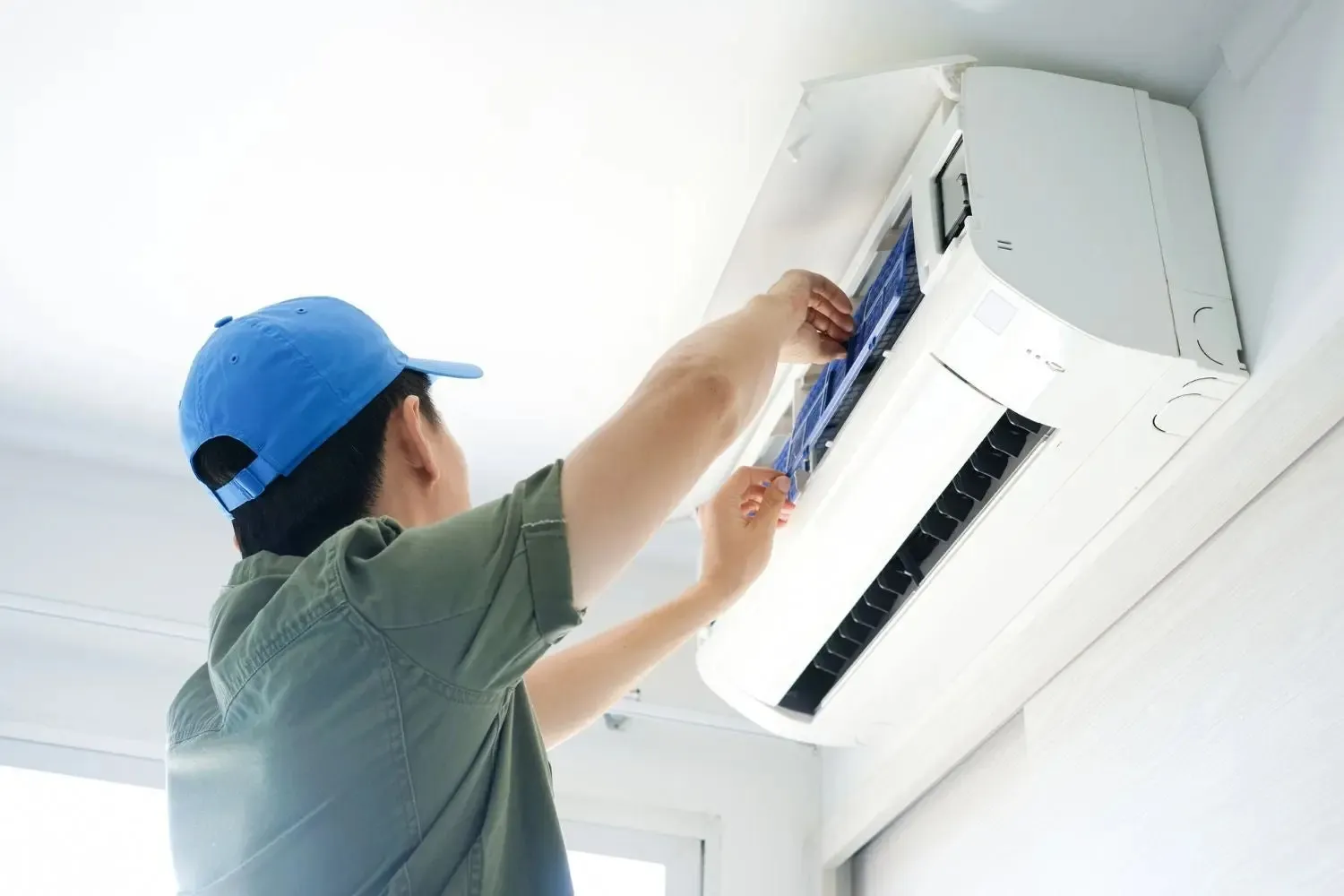
Managing indoor climate requires a holistic approach that covers cooling, heating, and air quality. A fully functioning HVAC system is composed of multiple subsystems that must work in harmony. Comprehensive service offerings ensure that every aspect of the system, from the thermostat to the ductwork, is operating at peak performance.
- Air Conditioning Repair and Service: High-performance cooling is essential for desert living. Services cover central air conditioning units, ductless mini-split systems, and evaporative coolers. Technicians handle compressor replacements, fan motor repairs, and refrigerant recharge services. The focus is on maximizing the SEER (Seasonal Energy Efficiency Ratio) performance of existing units to keep electricity bills manageable during summer months.
- Heating System Maintenance and Repair: While winters are generally mild, desert nights can see temperatures drop significantly. Functioning heating systems, whether gas furnaces or electric heat pumps, are vital for comfort. Services include inspecting heat exchangers for cracks (a critical safety check for carbon monoxide), calibrating gas valves, and testing ignition systems. Ensuring the reversing valve on heat pumps functions correctly is also part of standard winter preparation.
- Preventative Maintenance Plans: Regular maintenance is the most effective way to prevent catastrophic failure. Scheduled tune-ups involve tightening electrical connections, lubricating moving parts, checking condensate drain lines for clogs, and testing system controls. This proactive care identifies worn parts before they break, securing the system’s reliability throughout the changing seasons.
Your Guide to HVAC Installation and Replacement
Installing a new HVAC system is a significant investment that determines the comfort and energy efficiency of a property for the next 15 to 20 years. The process involves more than simply swapping out an old unit for a new one. It requires precise calculation and planning to ensure the new equipment is perfectly matched to the specific cooling and heating load of the building.
- System Selection: Next, you select the equipment that best fits your budget and efficiency goals. Options range from standard single-stage units to advanced variable-speed systems that adjust their output to match cooling demands precisely. This phase also involves choosing between a traditional split system, a package unit, or a ductless configuration based on the property’s infrastructure.
- Ductwork Inspection and Modification: Before the new unit is installed, the existing ductwork is inspected for leaks, disconnects, or inadequate insulation. Even the most efficient AC unit will underperform if the ducts are losing conditioned air into the attic. Modifications may be made to the plenum or return air drops to improve airflow and reduce static pressure.
- Installation and Commissioning: Finally, the certified technicians install the new equipment. This involves brazing refrigerant lines, connecting high and low-voltage wiring, and setting up the thermostat. Once physically installed, the system undergoes a commissioning process. Pressures, temperatures, and airflow are measured to verify the system is operating according to manufacturer specifications before the job is marked complete.
Making the Decision: Repair or Replace Your HVAC System?
Deciding between repairing an aging unit or investing in a replacement is a common dilemma for property owners. There are clear indicators that help determine which path offers the best financial and functional outcome. Making this decision requires balancing the upfront cost of a new system against the cumulative cost of repairs and inefficient energy usage.
- The 50% Rule: A general guideline used in the industry is the 50% rule. If the cost of the necessary repair approaches 50% of the value of a new system, replacement is usually the smarter financial move. Investing significant money into an old system that is likely to break down again soon yields diminishing returns.
- Age of the Equipment: The average lifespan of an air conditioner in a harsh desert climate is typically 10 to 15 years. If a unit is over 10 years old and requires a major component replacement, such as a compressor or condenser coil, upgrading to a modern unit is often recommended. Newer models utilize environmentally friendly refrigerants like R-410A (and newer alternatives), whereas older units may still rely on phased-out R-22, making repairs prohibitively expensive.
- Frequency of Breakdowns: If a system requires multiple service calls in a single season, it has likely reached the end of its reliable service life. Constant repairs not only drain finances but also create instability in home comfort. A "lemon" system that breaks down every time the temperature spikes is a liability that replacement eliminates.
- Energy Efficiency Considerations: Technology has improved drastically in the last decade. Older systems may have a SEER rating of 10 or 12, while modern high-efficiency units start at 14 and go up to 20+. Replacing a low-SEER unit with a high-efficiency model can result in immediate and significant reductions in monthly utility bills, helping the new system pay for itself over time.
Understanding Local HVAC Needs: Permits and Seasonality
Operating in the Coachella Valley presents unique challenges that standard HVAC practices may not fully address. The regulatory environment and the specific climate conditions in Thousand Palms dictate how installations and repairs must be handled to ensure compliance and performance.
Permitting and Compliance
Local building codes often require permits for the installation of new HVAC equipment. This ensures that the installation meets safety standards regarding electrical connections, gas piping, and structural support. Professional contractors handle the permitting process, coordinating with city inspectors to verify that the work is up to code. This protects the homeowner from liability and ensures the manufacturer's warranty remains valid.
Utility Rebates and Incentives
Southern California Edison and other local utility providers frequently offer rebates for upgrading to energy-efficient heat pumps or high-SEER air conditioners. These programs are designed to reduce the load on the electrical grid during peak summer hours. Navigating these rebates requires documentation and certified installation, which professional service providers manage as part of the replacement process.
Seasonality and Desert Climate Factors
The extreme temperature fluctuations between day and night affect how systems are tuned. Furthermore, the prevalence of sand and dust requires specific attention to filtration and coil maintenance. Standard filters may clog rapidly in this environment, restricting airflow and damaging the system. High-capacity media filters are often recommended to handle the particulate load without choking the system. Absolute Air Conditioning and Heating technicians are specifically trained to optimize systems for these harsh local conditions, ensuring year-round reliability.
Why Choose Us: Our Track Record and Customer Commitment
Selecting a contractor involves looking for technical expertise, reliability, and verified credentials. The difference between a functional system and one that causes perpetual headaches often lies in the quality of the installation and maintenance. We focus on technical precision and transparent communication to deliver results that last.
- Certified Technical Expertise: Technicians undergo rigorous training and hold certifications such as NATE (North American Technician Excellence). This ensures they possess the theoretical knowledge and practical skills to diagnose complex thermodynamic and electrical issues accurately.
- Transparent Pricing and Communication: You receive clear, upfront explanations of the work required. There are no hidden fees or surprise charges. Options are presented clearly—whether it is a simple repair or a full replacement—allowing you to make informed decisions based on data, not sales pressure.
- Local Warranty and Support: All installations and major repairs come with robust warranties on both parts and labor. As a locally operated business, support is readily available if any issues arise post-service. You are not dealing with a distant call center but with a team committed to maintaining their reputation in the community.
Protect Your Comfort in Every Season
Maintaining a comfortable environment in the desert requires a partner who understands the stakes. Don't wait for a total system failure to address your heating and cooling needs. Ensure your home remains comfortable regardless of the weather outside. Contact us today to schedule your service.

