
Heating Maintenance in Thousand Palms, CA
Struggling with Inefficient Heating in Your Home?
Facing unexpected heating failures or inefficiencies can be more than just uncomfortable; it can disrupt your home life and inflate your energy bills. Ensure your heating system performs optimally with our expert maintenance services. For immediate assistance with your system or to discuss financing options for necessary repairs, contact us directly.
In Thousand Palms and the surrounding regions, reliable heating is essential when desert temperatures drop significantly at night. We provide a streamlined approach to system care designed to restore comfort and efficiency immediately.
- Rapid response times with same-day service availability.
- Comprehensive maintenance checks to boost efficiency and reliability.
- Transparent pricing with no hidden fees.
Licensed and insured—with warranties on all services to assure your peace of mind.
Comprehensive Heating Tune-Ups: What Is Included
When you schedule professional heating maintenance, you are investing in the longevity and safety of your HVAC system. A proper tune-up goes far beyond a simple filter change. It involves a rigorous inspection and calibration of the mechanical and electrical components that keep your home warm. In the desert environment, where systems may sit idle during the scorching summer months, dust accumulation and dried-out components can lead to failure exactly when you need heat the most.
Absolute Air Conditioning and Heating provides a thorough maintenance protocol designed to catch small issues before they evolve into expensive breakdowns. The scope of a standard maintenance visit includes a detailed examination of the entire heating envelope. Technicians focus on restoring the unit to factory specifications, which lowers energy consumption and improves airflow.
Key components addressed during a maintenance visit include:
- Thermostat Calibration: Ensuring the device reads temperature accurately so the system cycles on and off at the correct times, preventing energy waste.
- Electrical Connection Tightening: Loose connections can cause dangerous arcing or intermittent failures. All voltage and amperage draws on motors are measured to ensure they are within safe operating ranges.
- Heat Exchanger Inspection: This is a critical safety check. Technicians look for cracks or corrosion in the heat exchanger, which can lead to deadly carbon monoxide leaks.
- Burner Assembly Cleaning: Dust and soot can build up on burners, causing improper combustion and reduced heating capacity. Cleaning these ensures a clean, blue flame.
- Airflow and Filter Check: Restricted airflow puts strain on the blower motor and heat exchanger. Technicians assess static pressure and advise on filter conditions.
- Safety Control Testing: Every furnace or heat pump has safety switches (limit switches, pressure switches) designed to shut the system down if it overheats or fails. These are tested to verify they function correctly.
- Lubrication of Moving Parts: reducing friction in motors and bearings extends the life of these components and reduces operating noise.
The Maintenance Process: Step-by-Step
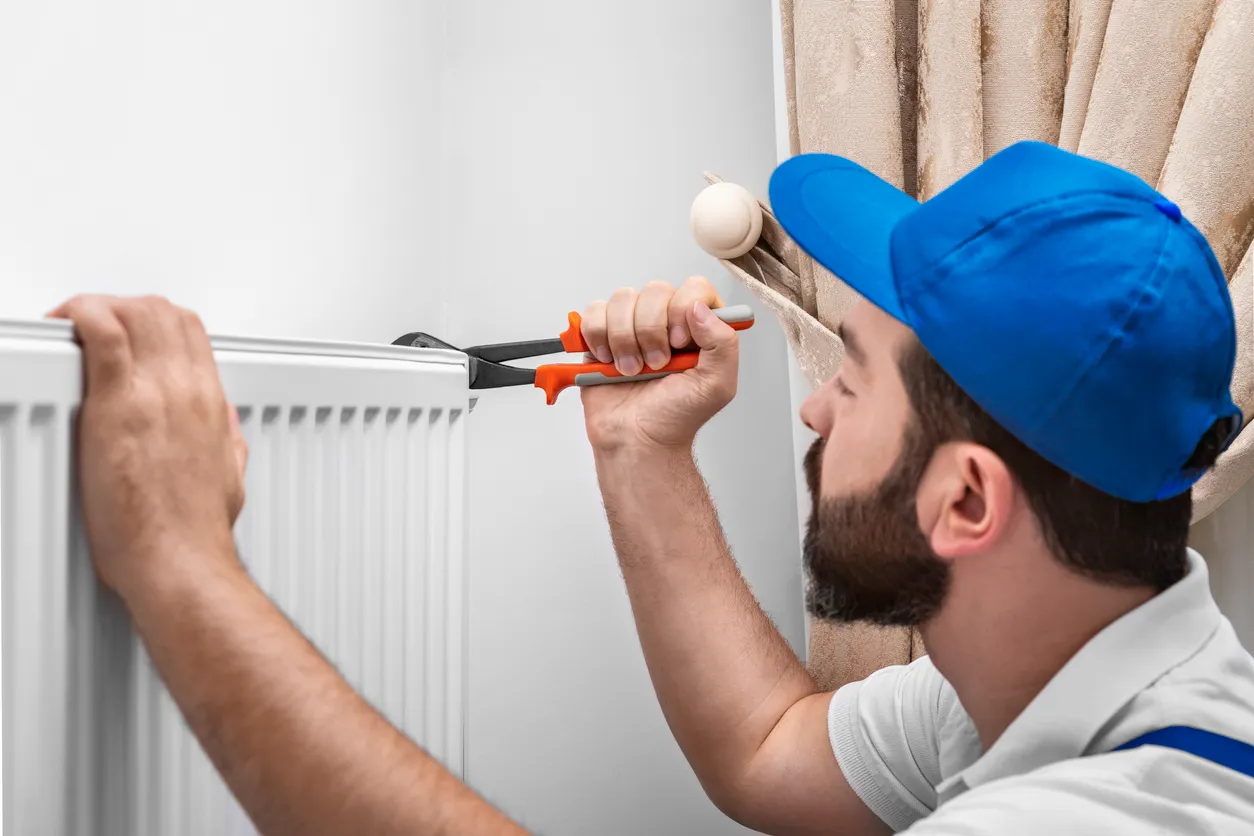
Understanding what happens during a service call helps homeowners prepare and ensures transparency. The process is designed to be non-intrusive, efficient, and thorough. From the moment a technician arrives at your property in Thousand Palms, the focus is on diagnosing the health of the system and optimizing its performance.
The workflow typically follows a structured path to ensure no component is overlooked:
- Arrival and Site Assessment: The technician arrives within the scheduled window, fully equipped. They begin by assessing the area around the heating unit to ensure proper clearance and ventilation.
- Initial Operation Test: The system is turned on to monitor its startup sequence. The technician listens for unusual noises like rattling or grinding and watches for delayed ignition.
- System Shut Down and Lockout: For safety, power and gas (if applicable) are turned off before the internal inspection begins.
- Internal Cleaning and Inspection: Panels are removed to access the blower, burners, and coils. Debris, dust, and sediment are vacuumed or brushed away. This is particularly important in desert areas where fine sand can infiltrate the cabinet.
- Component Testing: Using specialized multimeters and manometers, the technician tests electrical components and gas pressure. This data is compared against manufacturer specifications.
- Reassembly and Final Test: Once cleaning and adjustments are complete, the system is reassembled. The technician runs the heat for a sustained period to measure the "temperature rise"—the difference between the air entering and leaving the system—to confirm efficient operation.
- Reporting: You receive a detailed report of the findings. If a part is worn but still functional, it is noted. If a safety hazard is found, it is highlighted immediately.
Deciding Between Repair and Replacement
During a maintenance visit, technicians may uncover underlying issues that suggest the system is nearing the end of its lifecycle. While regular maintenance extends the life of a heater, there is a mathematical tipping point where continuing to repair an aging unit becomes less economical than replacing it with a modern, high-efficiency model.
Maintenance visits provide the data needed to make this decision logically rather than emotionally during an emergency breakdown.
Indicators that repair is the right path:
- The system is under ten years old and generally reliable.
- The cost of the repair is less than 50% of the value of the system.
- The unit is still under a manufacturer’s warranty covering parts.
- The issue is a minor component failure, such as a capacitor, igniter, or sensor, rather than a major structural failure.
- You plan to move from the home in the near future and need immediate functionality.
Indicators that replacement is the better investment:
- The heat exchanger is cracked. This is a non-negotiable safety hazard that requires replacing the most expensive component or the entire unit.
- The system uses R-22 refrigerant (for heat pumps), which is phased out and incredibly expensive to replenish.
- The unit is over 15 years old and requires frequent repairs.
- Your energy bills are rising despite usage remaining consistent, indicating the internal efficiency has degraded significantly.
- The cost of the repair approaches 50% of the cost of a new system.
- You are experiencing uneven heating or humidity issues that a simple repair cannot resolve.
Local Considerations: Climate and Codes
Operating a heating system in the Coachella Valley presents unique challenges compared to other regions. While the winters are mild compared to the Midwest, the temperature swing from day to night is drastic. A system that is off all day may need to ramp up quickly when the sun sets. This rapid cycling puts thermal stress on the heat exchanger.
Furthermore, the desert environment introduces specific maintenance requirements:
- Dust and Sand Infiltration: The primary enemy of HVAC systems in this region is fine particulate matter. Sand and dust bypass standard filters and accumulate on blower wheels and coils, acting as an insulator that reduces heat transfer and overheats motors. Frequent, deep cleaning is mandatory here.
- Idle System Syndrome: Because heating is used for a shorter season, gas valves and pilot assemblies can become "sticky" or clogged from lack of use. A pre-season tune-up ensures these components actuate smoothly when the first cold snap hits.
- Dry Air: Heating systems naturally dry out the air. In an already arid climate, this can cause discomfort and static electricity. Technicians can check and calibrate whole-home humidifiers if they are integrated into your system.
Regarding regulatory compliance, routine maintenance generally does not require a permit. However, if the maintenance inspection reveals a need for significant alterations—such as replacing the gas line, altering ductwork significantly, or replacing the entire furnace—local building codes in Thousand Palms will apply. Professional providers handle the permitting process to ensure all work meets safety standards and manufacturer warranty requirements.
Why Professional Maintenance Matters
Attempting DIY maintenance on modern heating equipment is rarely effective and can be dangerous. Modern furnaces and heat pumps utilize complex integrated circuit boards, variable-speed motors, and precise gas pressure settings. Without specialized tools and training, it is impossible to accurately tune these systems.
Professional service ensures that the warranty remains valid. Most manufacturers require proof of annual maintenance by a licensed professional to honor parts warranties. Neglecting this documentation can leave homeowners liable for expensive part replacements even if the unit is relatively new.
Absolute Air Conditioning and Heating focuses on delivering data-driven service. The goal is to maximize the BTU output for every dollar spent on energy. By optimizing the fuel-to-air ratio and ensuring unrestricted airflow, the system runs quieter, heats faster, and lasts longer.
Key advantages of professional execution:
- Safety Verification: Carbon monoxide is odorless and colorless. Professionals use sensitive detectors to ensure combustion gases are venting properly outside the home.
- Fire Hazard Reduction: Identifying frayed wires or scorching near electrical connections prevents electrical fires.
- Predictive Maintenance: Experienced technicians can hear a failing bearing or see a bulging capacitor before it fails completely, allowing for scheduled repairs rather than emergency calls.
- Efficiency Gains: A clean, tuned system can improve energy efficiency by significant margins, offsetting the cost of the service through utility savings.
Call Now
Take control of your home’s comfort and safety before the temperatures drop. A small investment in maintenance today prevents the stress and high cost of emergency failures tomorrow.
Secure your appointment for a comprehensive heating system tune-up now.

