
Don't Get Left in the Cold: Easy Furnace Fixes
Why Your Furnace Deserves a Quick Check-Up First
Heating system troubleshooting starts with understanding that most furnace problems have surprisingly simple causes. Before you spend money on a service call, you can often restore heat to your home in just a few minutes with basic checks.
Quick Heating System Troubleshooting Steps:
- Check thermostat settings - Ensure it's set to "HEAT" and temperature is 3+ degrees above room temp
- Verify power supply - Check furnace switch, circuit breakers, and electrical panel
- Inspect air filter - Replace if clogged or dirty (blocks airflow)
- Ensure vents are open - Remove obstructions from supply registers
- Secure furnace panels - Loose access doors trigger safety switches
When your furnace stops working on a cold winter night, your first instinct might be to call for help immediately. But many heating issues stem from simple oversights that take minutes to fix.
A furnace is crucial for comfort and survival in cold winter weather. The good news? Research shows that basic troubleshooting resolves a significant number of "no heat" service calls before a technician even arrives.
Most homeowners can safely check their thermostat settings, power supply, and air filter without any special tools or technical knowledge. These quick wins can save you both time and money while getting your family warm again fast.
First-Response Furnace Fixes: What to Check Before You Call
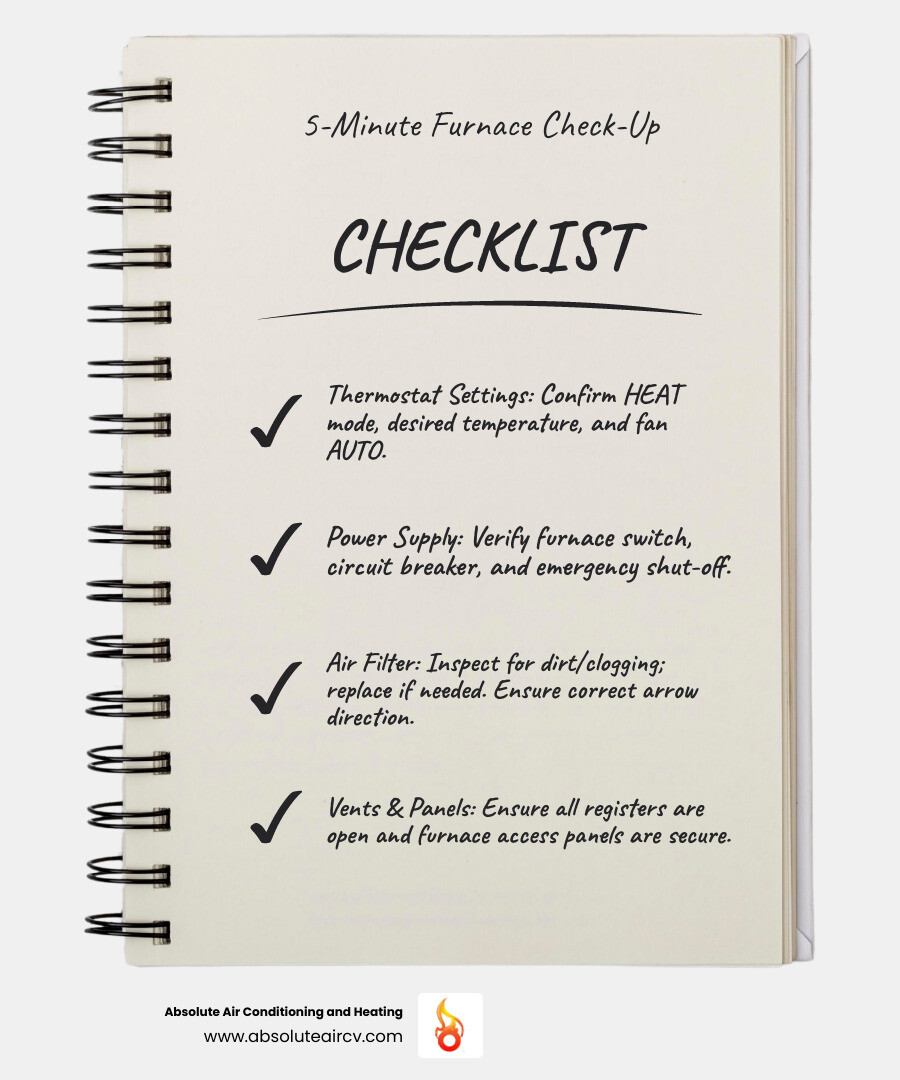
When your furnace stops working, don't panic. Many furnace problems have straightforward fixes you can do yourself. Before calling for service, walk through these quick checks to save time and money.
Check Your Thermostat Settings
Your thermostat is often the culprit behind a "broken" furnace. Here's what to check:
- Mode: Ensure it's set to "HEAT," not "COOL."
- Temperature: Set it at least 5 degrees higher than the current room temperature.
- Fan: Switch the fan to "AUTO," not "ON," to prevent cold air from blowing when the furnace isn't heating.
- Batteries: If the display is blank or dim, replace the batteries.
- Reboot: Try turning a smart thermostat off and on again.
- Location: Make sure your thermostat isn't near drafts, in direct sunlight, or next to a heat source, which can cause false readings. For more details, see our guide on how to Recognize HVAC Issues in Palm Desert.
Inspect the Power Supply
No power means no heat. Check these electrical points:
- Furnace Power Switch: Find the switch on or near your furnace (it looks like a light switch) and ensure it's "ON."
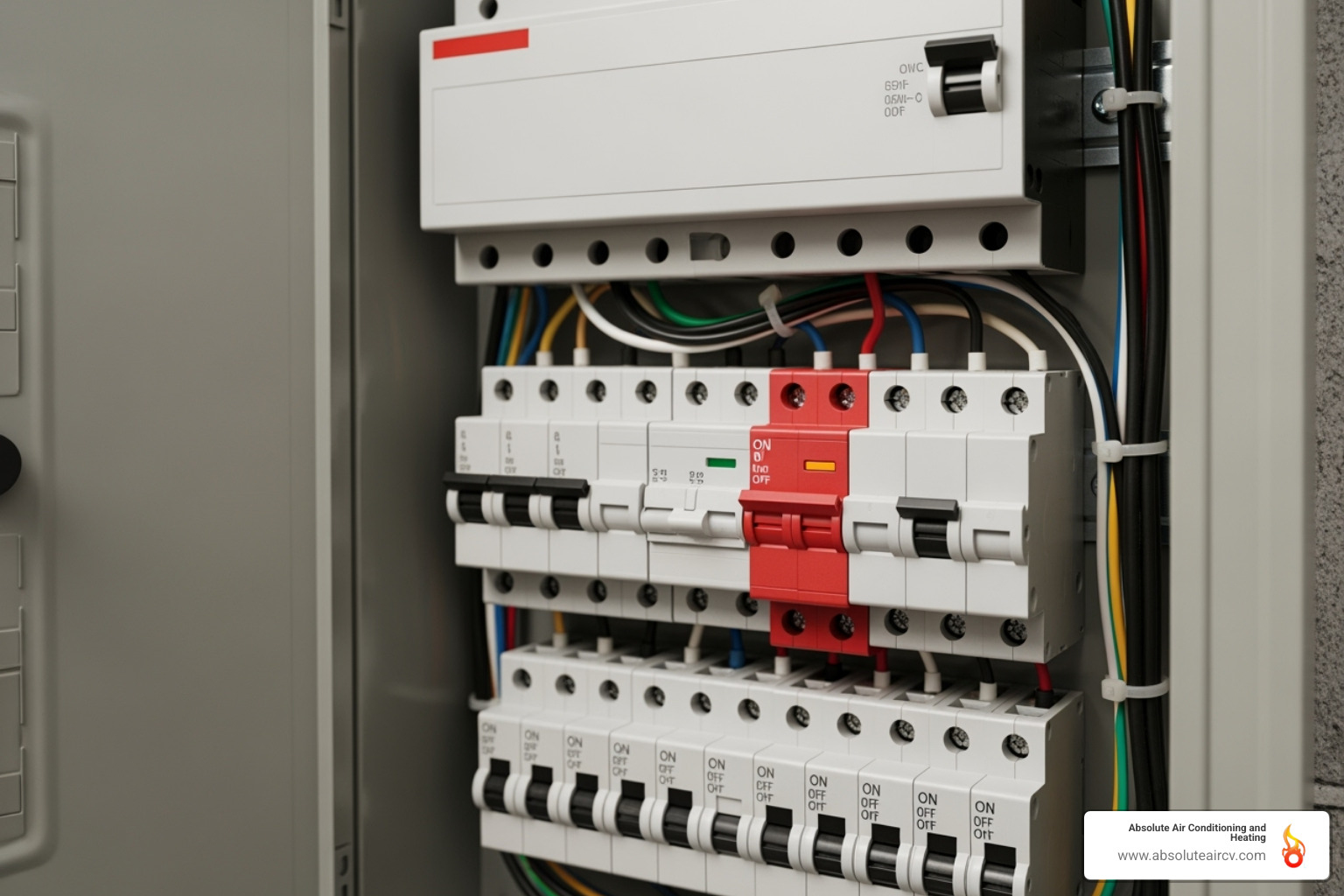
- Circuit Breaker: At your electrical panel, find the breaker labeled "FURNACE" or "HVAC." If it's tripped (in the middle or "OFF" position), reset it by pushing it firmly to "OFF," then back to "ON."
- Fuse Box: If you have an older home, check for a blown fuse (broken wire, blackened glass) and replace it with one of the exact same amperage.
Important safety note: If a breaker keeps tripping or fuses keep blowing, stop and call a professional immediately. This indicates a more serious electrical problem.
Ensure Vents and Panels Are Secure
Your furnace has safety features that shut it down if airflow is blocked or panels are loose.
- Vents and Registers: Walk around your home and make sure all vents are open and not blocked by furniture or rugs. Closing vents in unused rooms can actually harm your system by creating pressure imbalances.
- Furnace Access Panels: Modern furnaces have a safety switch that prevents them from running if an access panel is loose. Double-check that all panels are completely closed and securely fastened, especially after changing the filter.
For more information about common heating issues that go beyond these basic checks, take a look at our comprehensive guide on Common Heating Repair Issues.
Common Culprits: Digging a Little Deeper into Furnace Problems
If the initial checks don't work, the next level of heating system troubleshooting involves a few more common culprits that are often manageable for homeowners.
The Impact of a Dirty Air Filter
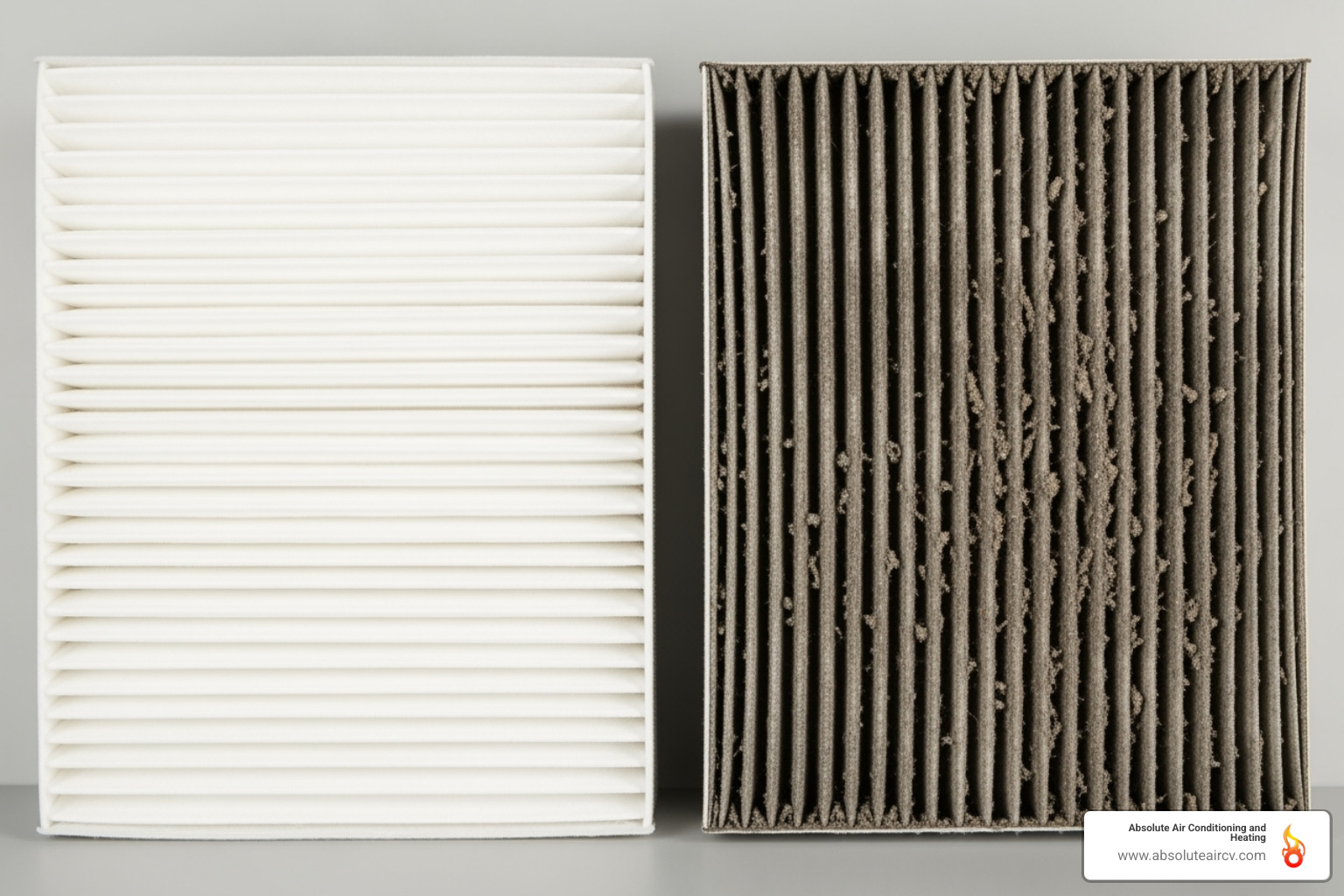
A clogged air filter is one of the most common causes of furnace failure. It restricts airflow, forcing your furnace to work harder and leading to several problems:
- Reduced Heat: Less warm air reaches your living spaces.
- Higher Energy Bills: The system runs longer and harder.
- Overheating: The furnace can get too hot and shut down as a safety measure.
- Short Cycling: The system turns on and off frequently without completing a full heating cycle.
To check your filter, pull it out and hold it up to a light. If you can't see light through it, it's time for a replacement. Most filters should be changed every 1-3 months. When installing, make sure the arrows on the filter frame point toward the furnace.
Pilot Light and Flame Sensor Issues
Gas furnaces rely on an ignition system to create heat.
- Pilot Light (Older Furnaces): If you have an older furnace, the pilot light—a small, constant flame—may have gone out. Follow the instructions on your furnace or in the owner's manual to safely relight it. Always turn off the gas and wait 10-15 minutes for any residual gas to clear before attempting to relight.
- Flame Sensor (Newer Furnaces): Modern furnaces use an electronic ignitor and a flame sensor. If the sensor rod gets dirty, it can't detect the flame and will shut the system down for safety. You can sometimes gently clean this sensor with fine sandpaper.
A healthy furnace flame should be mostly blue. If it's yellow or flickering heavily, it indicates a combustion problem that needs professional attention.
Important safety note: If you smell that distinctive "rotten egg" odor of natural gas anywhere near your furnace, get everyone out of the house immediately and call your gas company from a safe location.
High-Efficiency Furnace Drains
Condensing furnaces (high-efficiency models) produce water during operation, which is removed via a drain line. If this line gets clogged with debris, water backs up, triggering a float switch that shuts the furnace down to prevent water damage. A sign of this is water pooling around the furnace base. While minor clogs can sometimes be cleared with vinegar (check your manual), persistent clogs or frozen lines in cold weather require professional service. For more detailed information about heating problems including drainage issues, check out this helpful resource on No Heat Problem Diagnosis & Repair.
Advanced Heating System Troubleshooting: When Problems Persist
If the basic checks don't work, your furnace problem may be more complex. Here's how to troubleshoot persistent symptoms before calling a professional.
My Furnace Runs, But It's Blowing Cold Air
If your blower fan is running but the air is cold, several issues could be the cause:
- Gas Valve: Ensure the gas valve to your furnace is open (handle parallel to the pipe).
- Faulty Ignitor or Flame Sensor: The furnace may not be lighting the burners. You might hear clicking without ignition, which points to a bad ignitor or a dirty flame sensor.
- Tripped Limit Switch: The furnace may have overheated (often due to a dirty filter), causing the safety limit switch to shut off the burners while the fan runs to cool the unit down.
- Leaky Ductwork: Significant leaks in your ducts can allow warm air to escape before it reaches your rooms.
If these checks don't help, our team at Absolute Air specializes in HVAC Troubleshooting and can diagnose the issue.
Why Is My Furnace Short Cycling?
Short cycling is when your furnace turns on and off every few minutes without properly heating your home. This wastes energy and puts stress on your system. Common causes include:
- Overheating: A dirty filter is the most common cause, restricting airflow and forcing a shutdown.
- Blocked Exhaust Vent: Check the exterior vent pipe for obstructions like snow, debris, or nests.
- Incorrect Thermostat Location: If your thermostat is in direct sunlight or near a heat source, it may get a false reading and shut the system off too soon.
- Oversized Furnace: A unit that's too powerful for your home will heat the space too quickly and shut down before distributing the air properly.
For more insights into these and other heating challenges, check out our guide on common heating issues.
Decoding Strange Furnace Noises
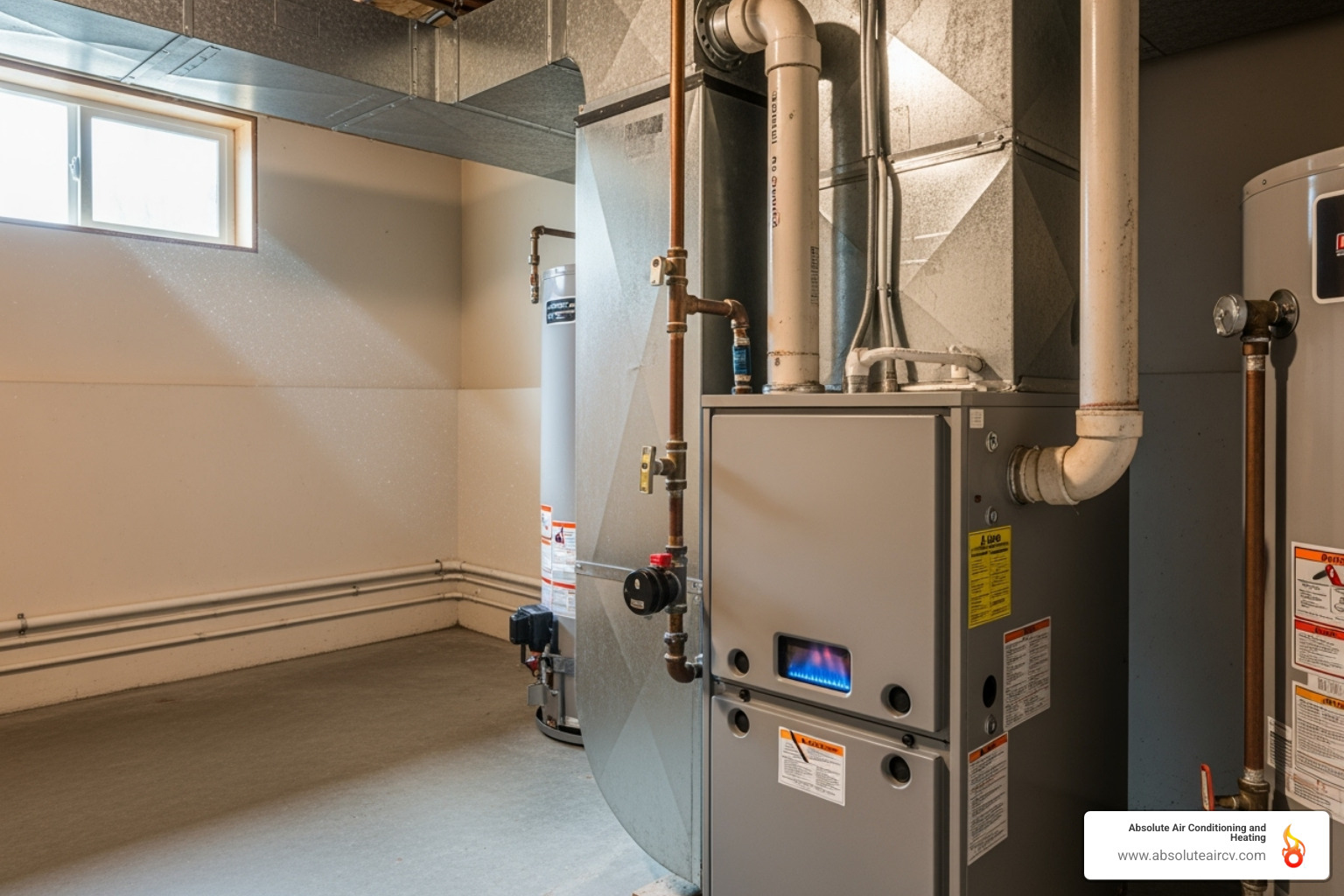
Unusual furnace sounds are often clues to a problem.
- Rattling: Usually a loose panel, but could also be loose ductwork.
- Whistling: Indicates restricted airflow, most often from a dirty filter.
- Grinding: Suggests worn bearings in the blower motor. Turn the system off and call a pro to prevent further damage.
- Booming or Banging: This is a serious issue called delayed ignition, where gas builds up before lighting. It requires immediate professional attention.
- Squealing: On older systems, this can mean a worn or loose blower belt.
Safety First: Red Flags You Should Never Ignore
While many issues can be fixed with DIY heating system troubleshooting, some red flags require immediate professional attention to ensure your family's safety.
What to Do If You Smell Gas or Burning
Trust your nose—it's a key tool for detecting serious furnace problems.
- Gas Smell: Natural gas has a "rotten egg" odor added for safety. If you smell it, evacuate everyone from the house immediately. Do not use light switches or phones inside. From a safe location, call your gas company and 911.
- Burning Smell: A slight dusty smell is normal when you first turn on your furnace for the season and should fade quickly. However, if the smell is persistent, strong, or smells like melting plastic or wires, turn the furnace off at the circuit breaker and call a professional. This could indicate an overheating motor or an electrical fire hazard. For more guidance on recognizing when professional help is needed, check out our page on When to Call a Heating Repair Company.
Carbon Monoxide (CO) Detector Alarms
Carbon monoxide (CO) is an odorless, invisible, and deadly gas. If your carbon monoxide detector goes off, treat it like a fire alarm. Get everyone outside to fresh air immediately, then call 911 from a safe location. Do not re-enter until emergency services say it's safe. CO leaks are often caused by a cracked heat exchanger or blocked venting—serious issues that require a professional. Annual furnace tune-ups are the best way to detect these hazards early.
When You Must Call a Professional
While we encourage DIY fixes, it's crucial to know your limits. Put down the tools and call a professional if you encounter:
- Persistent problems that your troubleshooting can't solve.
- Any gas smell or a CO alarm.
- Electrical issues like repeatedly tripping breakers.
- Loud grinding, banging, or squealing noises.
- Water pooling around your furnace.
- A furnace flame that is yellow or orange instead of blue.
- An old furnace (15+ years) that is breaking down frequently.
Our NATE-certified technicians at Absolute Air Conditioning and Heating have seen it all. We're here to keep your Palm Desert area family safe and comfortable, whether that means a quick repair or helping you steer a bigger decision.
Frequently Asked Questions about Heating System Troubleshooting
Why is my furnace running but not producing any heat?
This is often caused by a closed gas valve, a dirty flame sensor, or a faulty ignitor. It can also happen if the furnace overheats from a clogged filter, causing the high-limit switch to trip and shut off the burners. Check your gas supply and filter first.
How can I tell if my furnace filter is the problem?
The easiest way is the "light test"—if you can't see light through the filter, replace it. Other signs include visible dirt, reduced airflow from vents, your furnace overheating and shutting down (short cycling), or more dust in your home.
What should I do if I smell a burning odor from my furnace?
A faint dusty smell when you first start your furnace for the season is normal and should go away. However, a strong, persistent smell, especially one like burning plastic or wires, indicates a serious problem like an overheating motor or an electrical fault. If you smell this, turn your furnace off at the breaker and call a professional immediately.
Get Your Heat Back On with Confidence
Solving a furnace problem yourself can be satisfying and save you time and money. Heating system troubleshooting is often straightforward, with many issues stemming from a simple thermostat setting or a dirty filter. These basic checks can restore warmth to your home in minutes and help you understand your system better.
However, always prioritize safety. If you smell gas, your CO detector alarms, or you encounter complex electrical or mechanical problems, it's time to call a professional. Knowing your limits is key to keeping your family safe.
Here in the Coachella Valley, our neighbors in Palm Desert, Indian Wells, Rancho Mirage, and Palm Springs know they can count on Absolute Air Conditioning and Heating for reliable, professional service. As a locally family-owned business, our NATE-certified technicians are committed to keeping your home comfortable and efficient. Whether you've tried troubleshooting or have a clear emergency, we're here to help. Schedule your HVAC service in Palm Springs, CA today! and let our skilled, factory-trained technicians get your heating system back to peak performance.
Serving the Entire Coachella Valley

The Physics of Heating a Palm Desert Home After the Sun Goes Down
As the October sun sets, Coachella Valley temperatures can plunge 40 degrees in hours. Understand the science of rapid thermal loss and ensure your heating system is ready.
How Absolute Air Conditioning Diagnoses Uneven Heating in Two-Story Palm Desert Homes
When your downstairs stays freezing while the upstairs swelters, simply cranking the thermostat won't help. We trace these cold spots back to hidden attic ductwork flaws to restore real comfort.

Assessing Your Home's Heating Needs: When a Heat Pump Outperforms a Gas Furnace in the Desert
Don't wait for the first freezing night to replace your aging heater. See why a high-efficiency heat pump often beats a traditional gas furnace for unique desert climate swings.

