
Indoor Air Quality in Indian Wells, CA
Eliminate Dust, Allergens, and Dry Air from Your Living Space
Experiencing discomfort due to poor air quality in your Indian Wells home can be frustrating, especially when persistent issues like dry air, allergens, or foul smells detract from your comfort and health. Contact us today to schedule a professional air quality assessment and breathe easier in your home.
- Enhance your living environment with advanced air purification systems designed specifically for desert climates.
- Receive a personalized consultation and tailored solutions that fit your specific household needs and existing HVAC setup.
- Quick and professional installation services ensure minimal disruption to your daily life while improving system efficiency.
All installations are compliant with local codes, with flexible financing options available to make vital home improvements affordable.
The Reality of Indoor Pollution in Desert Climates
While many homeowners assume that the air inside their house is safer than the air outside, the opposite is often true. In tightly sealed modern homes, pollutants become trapped and recirculate continuously through the ductwork. For residents in Indian Wells, this issue is compounded by the local geography. The desert environment produces fine silica dust, which easily penetrates standard window screens and gaps in door frames. Once inside, this dust combines with pet dander, volatile organic compounds (VOCs) from household cleaners, and cooking emissions to create a cocktail of airborne contaminants.
Absolute Air Conditioning and Heating understands that standard fiberglass filters are often insufficient for the fine particulate matter common in the Coachella Valley. Upgrading your indoor air quality (IAQ) is not merely about removing dust; it is about creating a biological shield for your home. By addressing humidity levels, particulate matter, and biological growth simultaneously, homeowners can protect both their respiratory health and the longevity of their heating and cooling equipment.
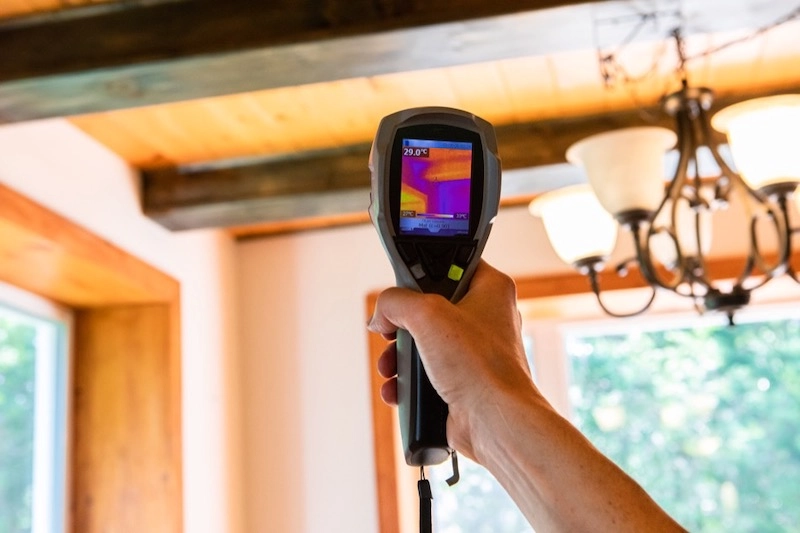
Comprehensive Indoor Air Quality Solutions Available Immediately
Improving the air inside a home requires a multi-layered approach. A single device rarely solves every issue, as different technologies target different types of pollutants. When you request service, the focus is on identifying the specific composition of your indoor air and deploying the correct hardware to neutralize it.
- Whole-Home Media Air Cleaners: Standard one-inch filters effectively protect HVAC equipment but often fail to improve air quality for the occupants. Thick-media air cleaners are installed directly into the return air duct. These pleated filters have a massive surface area, allowing them to trap microscopic particles like pollen, mold spores, and fine desert dust without restricting airflow to the furnace or air handler.
- Ultraviolet (UV) Germicidal Lights: Biological contaminants thrive in the dark, damp environments found inside cooling coils. UV lamps are installed within the ductwork to sterilize surfaces and the air passing through. This technology neutralizes bacteria, viruses, and mold at the source, preventing them from being blown into living spaces. This is particularly effective for removing the "dirty sock" smell often associated with bacterial growth on AC coils.
- Whole-Home Humidifiers: In Indian Wells, humidity levels can drop significantly, causing dry skin, irritated sinuses, and static electricity shocks. Dry air also allows viruses to travel more easily. Bypass or steam humidifiers integrate with the central heating system to introduce precise amounts of moisture into the air, maintaining a comfortable relative humidity level (typically between 35% and 50%) throughout the entire home.
- Energy Recovery Ventilators (ERVs): Modern energy-efficient homes can sometimes be "too tight," leading to stale air buildup. An ERV swaps stale indoor air with fresh outdoor air while transferring heat and moisture energy. This ensures fresh oxygen enters the home without causing the air conditioner or heater to work overtime to condition the new air.
The Installation and Integration Process
Implementing a robust air quality strategy involves more than simply plugging in a device. It requires surgical integration with the existing central heating and cooling system. The goal is to treat 100% of the air as it circulates, ensuring consistent quality in every room rather than just a single area.
- Initial Evaluation and Air Testing: The process begins with a thorough assessment of the current HVAC system and the home’s envelope. Technicians look for infiltration points where dust enters and evaluate the ductwork for leaks. Static pressure tests are conducted to determine how much resistance the current blower motor can handle, which dictates which filtration products can be safely installed.
- Strategic Product Selection: Based on the evaluation, specific components are selected. If the primary concern is asthma triggers, high-efficiency particulate capture is prioritized. If the concern is dry desert air damaging wood furniture and flooring, humidity control takes precedence.
- Mechanical Installation: Technicians cut into the sheet metal of the supply or return plenums to mount the new equipment. For humidifiers, water lines are run from the nearest plumbing source, and drainage is routed appropriately. For UV lights and electronic air cleaners, electrical circuits are wired to ensure the devices activate only when the blower is running.
- System Calibration and sealing: Once the hardware is in place, the system is tested. All new duct connections are sealed with mastic or foil tape to prevent air leakage. The HVAC system is cycled to ensure that the added components do not restrict airflow, which could otherwise lead to frozen coils or overheated heat exchangers.
Determining When to Upgrade Your Air Quality Equipment
Homeowners often debate between using portable room purifiers and investing in whole-home solutions. While portable units have their place, they are generally reactive measures that treat symptoms rather than the root cause. Recognizing the signs that a whole-home upgrade is necessary helps in making a timely investment decision.
- Persistent Dust Accumulation: If surfaces become coated in dust within a day or two of cleaning, it indicates that the current filtration system is being bypassed or is too porous to capture fine desert particulates. This is a clear signal that a media cabinet upgrade is required to protect the home.
- Lingering Odors: Cooking smells, pet odors, or musty scents that refuse to dissipate suggest that the home is not ventilating properly or that biological growth is occurring within the ducts. In these cases, air scrubbers or UV oxidation systems are the superior choice over masking sprays.
- Visible Mold Growth on Vents: Seeing black or green specks on supply registers is a red flag. It usually means mold is growing on the AC coil and releasing spores into the airstream. This requires immediate remediation via UV sterilization and potentially duct cleaning.
- Respiratory Distress Indoors: If allergy symptoms worsen at night or upon waking up, the bedroom air likely contains high concentrations of allergens. Since the central AC system connects all rooms, a whole-home system ensures that the air in the bedroom is as clean as the air in the rest of the house.
Navigating Local Climate Factors and Regulations
Operating in the Coachella Valley requires specific attention to environmental extremes. The equipment chosen must be able to withstand high ambient temperatures, particularly for components installed in attics or garages.
- Managing Thermal Efficiency: California’s Title 24 energy standards are strict regarding airflow and fan efficacy. When adding air cleaning devices, it is mandatory to ensure that the system simply does not use excessive energy to push air through dense filters. Professional installers calculate the pressure drop to ensure compliance with energy regulations while maximizing filtration.
- Humidity Management in the Desert: In Indian Wells, the lack of atmospheric moisture can be as damaging as excess moisture is in other climates. Woodwork, artwork, and musical instruments can crack in extremely dry conditions. However, adding humidity must be done carefully. Over-humidification can lead to condensation in cool spots, inviting mold. Systems are installed with outdoor temperature sensors to automatically adjust indoor humidity targets based on the weather, preventing condensation on windows.
- Permitting and Electrical Safety: Hardwired IAQ accessories, such as steam humidifiers or high-voltage UV lights, often require dedicated electrical circuits. Licensed professionals ensure that all wiring meets the National Electrical Code (NEC) and local building safety requirements. This prevents circuit overloads and ensures the safety of the household.
Why Professional Implementation Matters
There is a significant difference between buying a filter off the shelf and having an integrated air quality system engineered for a home. The effectiveness of any air purifier or humidifier is entirely dependent on the airflow dynamics of the HVAC system it serves. If a filter is too restrictive, it can suffocate the air conditioner compressor, leading to premature failure. If a UV light is positioned incorrectly, it may degrade plastic components inside the air handler.
Absolute Air Conditioning and Heating focuses on the "house as a system" approach. This means understanding that changing one variable, such as filtration density, affects other variables like static pressure and cooling capacity. Professional technicians utilize tools like manometers and particle counters to verify that the air quality improvements are tangible and that the HVAC equipment remains within manufacturer specifications.
Furthermore, professional installation guarantees access to professional-grade equipment. The units available to licensed contractors are typically more powerful, durable, and effective than consumer-grade models found in retail stores. This includes higher-intensity UV emitters and filtration media with greater surface area for longer service life.
Protecting Your Health and Home Investment
Investing in indoor air quality is an investment in long-term health and property preservation. Clean air reduces the burden on the immune system, leading to better sleep and increased energy levels. By removing abrasive dust and corrosive chemicals from the air, homeowners also protect their electronics, carpets, and furnishings from premature aging.
In the harsh desert environment, the barrier between your home and the elements is crucial. A properly sealed and filtered home remains a sanctuary against heat, dust, and pollen. Ensure your home remains a safe haven by addressing air quality issues at their source with professional-grade solutions.
Ready to transform the air inside your home? Contact us today to discuss your indoor air quality options.

