

Mini Split Installation in La Quinta, CA
Uneven Cooling and High Energy Bills Demand a Better Solution
Living in La Quinta means dealing with intense desert heat, and if your current cooling system leaves certain rooms sweltering while freezing others, you are wasting money on inefficient airflow. A mini split system solves this by delivering targeted, ductless climate control directly where you need it most, bypassing the energy loss associated with traditional ductwork. Contact us immediately to assess your home's cooling load or apply for financing to start your installation.
Here is what you can expect when upgrading to a ductless system:
- Experience precise temperature control in specific zones immediately after installation.
- Reduce monthly utility costs by eliminating duct loss and only cooling occupied spaces.
- Customize climate zones throughout your home for ultimate comfort without major renovations.
All installations are fully licensed, ensuring compliance with local building codes, with flexible financing options available to suit your budget. At Absolute Air Conditioning and Heating, we specialize in configuring these systems to handle the specific thermal loads of the Coachella Valley.
Immediate Benefits of Ductless Climate Control
Choosing to install a mini split system addresses the immediate need for reliable comfort during peak summer months. Unlike central air conditioners that must cool an entire building to change the temperature in one room, mini splits operate on a decentralized model. This allows homeowners to address "problem rooms"—such as a master bedroom that never gets cool enough or a home office that overheats in the afternoon sun—without adjusting the thermostat for the rest of the house.
Operational Scope and Timeline
The scope of a mini split installation is significantly less invasive than retrofitting central air. Because there is no need to route bulky ductwork through attics or crawlspaces, the installation timeline is rapid. Most single-zone systems can be installed and operational within a single day. Multi-zone systems, which connect multiple indoor air handlers to a single outdoor condenser, may require slightly longer but still minimize disruption to your daily routine.
What Is Included in the Service
A professional installation includes a comprehensive load calculation to ensure the unit is sized correctly for the square footage and heat gain of the room. It involves mounting the indoor unit, securing the outdoor condenser, running the refrigerant lines and electrical conduit, and establishing a dedicated power supply. The service also covers the pressure testing of lines to prevent leaks and the vacuuming of the system to remove moisture before the refrigerant is released.
Energy Efficiency and Cost Management
One of the primary drivers for La Quinta residents switching to mini splits is energy management. Traditional duct systems can lose a significant percentage of cooling energy due to leaks, holes, and poor insulation in hot attics. By removing ducts from the equation, mini splits deliver treated air directly into the living space. Furthermore, modern mini splits utilize inverter technology. Instead of running at full blast and then shutting off (like a standard AC), the compressor adjusts its speed to maintain the temperature, consuming far less electricity and reducing wear and tear.
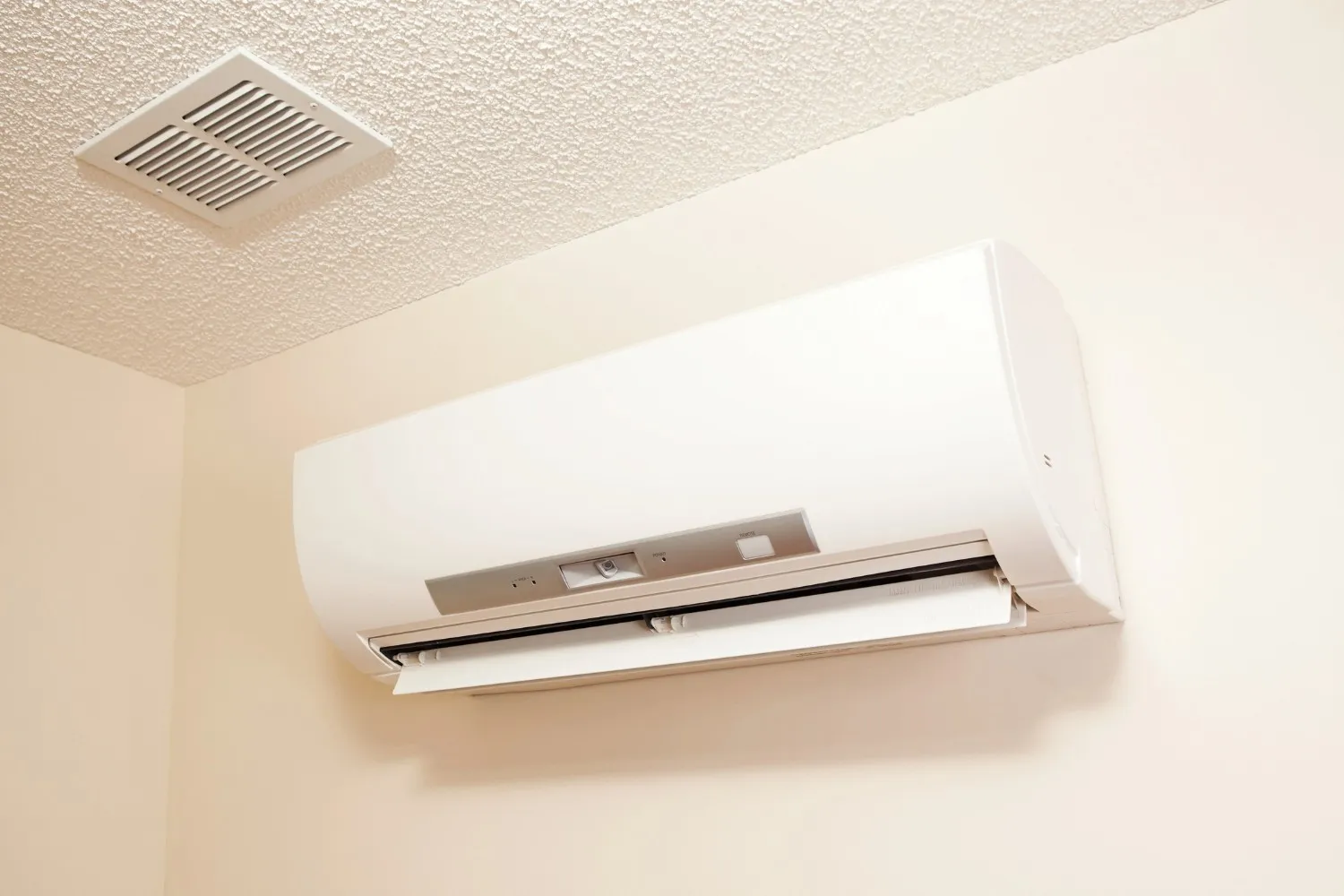
The Mini Split Installation Process
Understanding the installation workflow helps homeowners prepare for the service date. The process is designed to be efficient and clean, preserving the aesthetics of the home while establishing a robust cooling infrastructure.
Site Assessment and System Design
The process begins with a technical evaluation. Technicians determine the best location for the indoor unit to maximize airflow and accessibility for maintenance. Simultaneously, they identify a suitable spot for the outdoor condenser that allows for proper heat dissipation and meets setback requirements.
Mounting the Indoor Unit
Technicians install a mounting plate on the interior wall. This plate must be perfectly level and secured to studs or anchors to support the weight of the air handler.
Drilling the Conduit Passage
A small hole, typically around three inches in diameter, is drilled through the exterior wall. This hole serves as the pathway for the refrigerant lines, drain tube, and control wiring. The angle of the hole is critical; it must slope slightly downward toward the exterior to ensure proper gravity drainage of condensate water.
Outdoor Unit Installation
The outdoor condenser is placed on a composite pad or mounted to the exterior wall using brackets. This keeps the unit off the ground, protecting it from dirt, debris, and potential water accumulation. In the desert environment, positioning this unit to minimize direct sun exposure when possible can aid in efficiency.
Connection and Commissioning
The refrigerant lines are connected between the indoor and outdoor units. This stage requires precision flaring of copper tubing to create a hermetic seal. Once connected, the technician performs a nitrogen pressure test to check for leaks. Afterward, a vacuum pump removes all air and moisture from the lines. Finally, the refrigerant is released, the electrical connections are finalized, and the system is powered on for a test run.
Determining When to Switch to Ductless
Deciding between repairing an aging central system or supplementing it with a mini split is a calculation based on long-term value and comfort requirements. There are specific scenarios where ductless installation is the superior technical choice.
Addressing Renovations and Additions
If you are adding a room, converting a garage, or building a casita in La Quinta, extending existing ductwork is often cost-prohibitive or physically impossible. A mini split provides an independent cooling solution for these new spaces without placing additional load on your existing central air conditioner, which may not be sized to handle the extra square footage.
Solving Airflow Imbalances
Many two-story homes suffer from significant temperature stratification, where the upstairs is significantly hotter than the downstairs. Rather than overworking the central unit to force cold air upstairs, installing a mini split in the upper level can offset the heat load. This reduces the strain on the main system and extends its lifespan.
Empty Nester Zoning
For homeowners who only utilize a few rooms during the day or night, cooling the entire house is wasteful. If you spend most of your time in the living room and bedroom, a multi-zone mini split allows you to keep those specific areas comfortable while leaving the rest of the house at a higher set point. This "zoning" capability is a massive differentiator for mini splits.
Replacement vs. Repair
If your central AC is over 15 years old and facing a major repair—such as a compressor failure—investment in a high-SEER mini split system might offer a better return on investment. The efficiency gains alone can offset the monthly payments of a new installation compared to the high operating costs of an older, lower-efficiency central unit — check tax rebate eligibility.
Regional Installation Considerations
The climate and regulatory environment in the Coachella Valley dictate specific installation standards. Equipment must be rated to handle extreme ambient temperatures often exceeding 115°F.
High-Heat Performance
Not all mini splits are built for the desert. It is vital to select units with high cooling capacity retention at high ambient temperatures. Standard units may see their cooling output drop significantly when outdoor temperatures spike. We select equipment specifically designed to maintain performance during La Quinta heatwaves.
Permitting and Electrical Requirements
Modifying your home's HVAC system requires compliance with local building codes. This typically involves mechanical and electrical permits. The electrical panel must have sufficient capacity to handle the new equipment. If the current panel is maxed out, a sub-panel or service upgrade may be necessary. Professional installers manage the permitting process to ensure the work passes inspection and ensures safety.
HOAs and Aesthetics
Many communities in the area have strict Homeowner Association (HOA) rules regarding the visibility of mechanical equipment. Condenser placement must often be concealed behind side gates or shrubbery. Additionally, line set covers (the housing for the exterior pipes) should be painted to match the exterior of the home to blend in seamlessly.
Dust and Filtration
The desert environment is prone to high dust and particulate matter. Mini splits feature washable filters that trap dust and allergens. Because there are no ducts to collect and redistribute dust, the air quality in a room conditioned by a mini split is often cleaner than one served by a central system, provided the filters are cleaned regularly.
Ensuring Long-Term Performance
The longevity of a ductless system depends heavily on the quality of the installation. While the hardware itself is robust, errors in flaring copper lines or improper torque on connections can lead to slow refrigerant leaks that compromise performance years down the line.
Professional Sizing and Layout
An undersized unit will run constantly, failing to cool the room and driving up electric bills. An oversized unit will short-cycle, cooling the room too quickly without removing humidity, leading to a clammy feeling and premature equipment failure. Absolute Air Conditioning and Heating technicians perform precise Manual J load calculations to determine the exact BTU requirement for your specific space.
Manufacturer Warranty Compliance
Manufacturers of mini split systems offer generous warranties, often ranging from 10 to 12 years on parts and compressors. However, these warranties are almost universally contingent on professional installation by a licensed contractor. DIY or handyman installations often void these protections, leaving the homeowner liable for expensive repairs.
Dedicated Electrical Circuits
Mini splits require a dedicated electrical circuit to operate safely. Tapping into existing general-purpose circuits can trip breakers and pose fire hazards. Professional installation ensures that the wire gauge and breaker size are perfectly matched to the amperage draw of the unit, guaranteeing safe, uninterrupted operation.
Maintenance Accessibility
A thoughtful installation considers future maintenance. The indoor unit needs to be accessible for filter cleaning, and the outdoor unit requires clearance for coil cleaning and airflow. Experienced installers position units to ensure they can be easily serviced, prolonging the life of the investment.
Investing in a mini split system offers a practical, energy-efficient solution to the cooling challenges posed by the La Quinta climate. By creating independent cooling zones, homeowners gain control over their comfort and their energy bills. Whether you are cooling a garage, a master suite, or an entire home, the precision of ductless technology provides a superior cooling experience.
Precision Comfort Starts With the Right Cooling Choice
Ductless technology gives you control, efficiency, and relief from uneven temperatures—without the energy losses of traditional systems. When installed and configured correctly, a mini split system transforms how your home handles extreme desert heat while lowering long-term operating costs. With local expertise and precision-driven design, Absolute Air Conditioning and Heating delivers solutions built for comfort, performance, and durability in La Quinta’s climate.
For expert consultation and to schedule your installation, contact us today.

