
Navigating Your Attic Air Handler's First Switch to Heat in the Desert
The First Chilly Night: When Your Attic System Wakes Up for Winter
You finally feel that first significant temperature drop, but when you switch your thermostat to "Heat" and are met with a disturbing burning odor, your first instinct is likely to search for home maintenance tips and troubleshooting. That sudden, alarming smell of burning dust that often accompanies the first switchover of the season is enough to make any homeowner anxious. You immediately wonder if your house is in danger, or if this is just a normal seasonal quirk that will pass on its own.
During the November pre-winter cool down, this scenario plays out in homes across the region. After sitting dormant for months while the air conditioning handled the heavy lifting, your heating components are suddenly called into action. Understanding how your unconditioned attic environment directly influences this transition is the key to knowing whether your system is functioning normally or crying out for help.
For professional assistance, explore our Air Conditioning Services or schedule an AC repair in Palm Desert today to ensure your system is ready for the changing season.
The Reality of the Seasonal Switchover
When you flip that switch from cool to heat, you are asking a complex piece of mechanical equipment to completely reverse its primary function. Relays click, different motor speeds engage, and heating elements draw high voltage for the first time in over half a year. Because this equipment is housed in your attic, it has not just been sitting idle—it has been surviving in one of the most hostile environments in your home.
Many homeowners assume that because their air conditioning worked perfectly all summer, their heating will automatically perform flawlessly in the fall. However, the heating components inside your air handler face unique challenges precisely because of the intense summer they just endured. The anxiety you feel when you smell smoke or hear a strange hesitation from the ceiling is entirely valid. The key is learning how to read the signals your system is sending during this critical first cycle.
How Palm Desert Summers Impact Your Attic HVAC Equipment
The Problem: Your attic-based heating components are subjected to extreme thermal stress over the long summer cooling season long before heating is ever needed.
The Cause: The physics of unconditioned attics dictate that temperatures can easily exceed outside ambient air temperatures by 40 to 50 degrees. In the Coachella Valley, where summer highs regularly soar, this means your attic is frequently baking at 130 degrees or more. For eight months, the internal components of what the AC unit in the attic is called—the air handler—are subjected to this relentless, punishing heat.
The Solution: Recognizing that attic-based systems in the desert face a much harsher reality than those in mild climates allows you to approach the fall transition with the right expectations and proactive care.
The Toll of 130-Degree Heat on Internal Components
The extreme thermal stress of a Palm Desert / Coachella Valley summer does not just make your attic uncomfortable; it actively alters the physical state of your HVAC equipment. Here is what our technicians typically see happening inside that metal cabinet during the long, hot months:
• Thermal expansion and contraction: As the attic heats up during the day and cools slightly at night, the metal parts inside your air handler constantly expand and contract. Over time, this microscopic movement can loosen electrical connections, shift mounting brackets, and stress the physical housing of the unit.
• Drying out of seals and insulation: The intense, dry heat pulls moisture out of everything. Rubber gaskets, vibration dampeners, and the mastic sealant used to keep your ductwork airtight can become brittle, cracked, and far less effective at doing their jobs.
• The baking effect on accumulated dust: Even with a good filter, microscopic airborne particles make their way into the air handler. In a 130-degree environment, this dust does not just settle; it practically bakes onto the cold heating elements, creating a stubborn layer of debris that hardens over the summer.
When you understand that your heating system has essentially been stored in an oven for eight months, it becomes clear why the first switchover is such a significant event. The components are dry, stressed, and coated in baked-on dust, making that initial startup a true test of the system's resilience.
The Infamous Burning Dust Smell: Normal Transition or Warning Sign?
In our years of providing HVAC solutions throughout the Coachella Valley, one thing our team at Absolute Air Conditioning and Heating sees often during the November pre-winter cool down is panic over the smell of smoke coming from the vents. To understand why this happens, you have to look at the dormant heating elements. Throughout the summer, while the blower motor pushes cold air through the system, the heating strips or furnace heat exchangers sit completely cold and inactive. Over those months, dust, pet dander, and microscopic debris bypass the filter and settle directly onto these cold elements.
When you finally turn on the heat, those elements rapidly heat up to hundreds of degrees. The layer of summer dust instantly incinerates. This creates a highly distinct "burning dust" odor that gets pushed directly into your living space. While alarming, this specific chemical reaction is a normal part of the seasonal transition.
However, proper filtration earlier in the year can significantly minimize this effect. Upgrading your air filters and sealing duct leaks reduces the amount of debris that reaches the air handler in the first place. You can learn more about improving your home's air quality through professional Indoor Air Quality Services.
Deciphering the Odors from Your Vents
How do you tell the difference between harmless dust burn-off and a serious electrical or mechanical failure? It comes down to the specific scent and how long it lasts.
• Type of Smell — Normal Dust Burn-Off: Smells like a dusty, dry space heater or toasted lint. — Warning Sign of Failure: Smells like melting plastic, burning rubber, or electrical ozone (like a sparked wire).
• Duration — Normal Dust Burn-Off: Brief; usually dissipates within 15 to 30 minutes of the first heating cycle. — Warning Sign of Failure: Persists for hours, or returns every single time the heat cycles on.
• Airflow Temperature — Normal Dust Burn-Off: Air coming from the vents quickly turns warm and comfortable. — Warning Sign of Failure: Air remains lukewarm or completely cold despite the burning smell.
• Accompanying Sounds — Normal Dust Burn-Off: Normal whoosh of air and standard motor startup sounds. — Warning Sign of Failure: Loud humming, screeching, grinding, or repeated clicking noises.
If the odor falls into the "Normal" category, the best course of action is simply to open a few windows and let the system run its course. The smell should clear out rapidly. If it falls into the "Warning Sign" category, turn the system off immediately at the thermostat.

Hidden Vulnerabilities in Attic-Based Heating Elements
Beyond the smell of burning dust, the first switchover is a critical test of the system's structural and mechanical integrity. The transition from continuous cooling to heating exposes hidden vulnerabilities that developed during the long Palm Desert / Coachella Valley summer.
The strain on the blower motor is one of the most common issues our technicians encounter in local homes. For months, the motor has been operating at specific speeds optimized for cooling. When the heating cycle calls for a different speed or torque, the motor must adjust. If the bearings have dried out from the 130-degree attic heat, or if the capacitor has weakened, the motor may struggle, hum loudly, or fail to spin altogether.
Compromised duct sealing is another major vulnerability. The extreme heat causes the mastic and tape sealing your ductwork to expand, contract, and eventually become brittle. When you start pushing warm air through these compromised ducts, the pressure changes can blow those weak seals wide open. Instead of heating your living room, you end up pumping expensive warm air directly into your attic, resulting in massive efficiency loss and uneven temperatures throughout the house.
Dried-out or brittle wiring connections pose a significant safety risk. High attic temperatures degrade the plastic insulation around electrical wires. When the high-voltage heating elements draw power for the first time, any loose or brittle connections can arc, spark, or short out entirely. This is why a system might run fine on AC but instantly trip a circuit breaker the moment the heat engages.
Because these vulnerabilities are hidden inside a metal cabinet in a dark, cramped space, they are incredibly difficult for a homeowner to spot before a failure occurs. This highlights the importance of having professional Heating Services evaluate the system's readiness.
Why DIY Attic Inspections Are a Risk in the Desert
When you hear a strange noise or smell something concerning, the natural instinct is to grab a flashlight and investigate. However, attempting to open or diagnose your attic air handler yourself carries severe safety and complexity risks that simply are not worth taking.
The physical dangers of the attic space: Navigating an unconditioned attic is hazardous even in the cooler fall months. The space is cramped, poorly lit, and filled with tripping hazards. One misstep off a ceiling joist can result in a foot going straight through your living room ceiling drywall. Furthermore, the attic may still retain significant heat from the day, creating an exhausting and disorienting environment.
The risk of accidental damage: Modern HVAC systems are highly sensitive. While crawling around the unit, it is incredibly easy to accidentally crush flexible ductwork, knock a condensate drain line loose, or disconnect a low-voltage thermostat wire. What started as a simple visual inspection can quickly turn into a costly repair caused by an accidental bump in the dark.
High-voltage electrical hazards: Opening the access panel of an air handler exposes you directly to high-voltage electrical components. These systems often operate on 240 volts of electricity. If summer heat has made the wiring brittle or caused internal shorts, touching the wrong panel or wire can result in a severe electrical shock.
Working with a company that has specialized expertise means you are relying on technicians trained to safely and effectively service complex attic HVAC systems in blistering desert conditions. Our team at Absolute Air Conditioning and Heating has spent countless hours diagnosing systems in Coachella Valley attics, so we understand exactly how these extreme environments degrade equipment. A pattern we see often is that DIY attempts end up causing more harm than good. Diagnosing thermally stressed components requires specialized tools, electrical meters, and licensing that the average homeowner simply does not possess.
Home Maintenance Tips and Troubleshooting: When to Call a Professional for Your Attic Air Handler
While a brief dusty smell is normal during the November pre-winter cool down, there are clear, actionable thresholds that indicate your system is in distress. If you experience any of the following symptoms, turn off the heat at the thermostat immediately and call for a professional diagnosis.
• The burning smell lasts longer than a single heating cycle: If the odor persists beyond 30 minutes, or if it smells distinctly like melting plastic, burning rubber, or electrical ozone, do not wait for it to clear. This indicates an active electrical issue or a failing motor.
• The system hesitates or short-cycles: If the unit turns on for two minutes, shuts off, and turns back on again repeatedly, it is short-cycling. This is a protective mechanism indicating that a component is overheating or failing to ignite properly.
• You hear grinding, screeching, or banging noises: A smooth hum is normal. Metal-on-metal grinding, loud squeals, or heavy thumps upon startup mean that blower motor bearings are failing or internal components have come loose.
• The air coming from the vents remains lukewarm or cold: If the thermostat is set to 72 degrees but the air blowing out feels like a cool breeze after 15 minutes, the heating elements or furnace burners are not engaging, even though the fan is running.
• The system trips a circuit breaker: If flipping the thermostat to "Heat" causes your home's breaker panel to trip, leave the breaker off. This is a definitive sign of an electrical short or a motor drawing dangerous amounts of amperage.
Ignoring these warning signs can turn a minor, easily fixable issue into a catastrophic system failure. When in doubt, reinforcing your peace of mind with a professional AC repair in Palm Desert ensures your system is safe to operate.
Frequently Asked Questions
Why does my attic HVAC system smell like burning when I turn on the heat?
The smell is usually caused by the harmless burn-off of dust that settled on the heating elements over the summer. Because the system sits idle in the attic for months, debris naturally accumulates. When the high-temperature heating elements engage for the first time, this dust incinerates, creating a brief but noticeable odor. The smell should dissipate completely within 15 to 30 minutes of operation.
Is my attic air handler damaged from summer heat?
It is entirely possible for extreme attic heat to cause wear and tear over time. Temperatures exceeding 130 degrees can dry out rubber seals, make wire insulation brittle, and stress the blower motor bearings. While the system is designed to withstand harsh conditions, prolonged exposure without proper maintenance can lead to component failure when the unit switches modes in the fall.
How do I know if my attic air handler needs professional maintenance?
You should seek professional maintenance if you notice persistent burning plastic smells, loud grinding noises, or if the system blows cold air when set to heat. Additionally, if the unit trips a circuit breaker or constantly turns on and off (short-cycling), these are clear indicators of mechanical or electrical strain. A licensed technician can safely open the unit and diagnose the exact cause.
Is it safe to put an air handler in the attic?
Yes, it is safe and very common, provided the system is installed correctly and maintained regularly. Attic installations save valuable indoor floor space and keep noisy equipment out of the living areas. However, because the unit operates in an unconditioned, extreme-temperature environment, it requires diligent seasonal check-ups to ensure the wiring and duct connections remain secure.
How hot does an attic get with an air handler in Palm Desert?
During the peak of summer, an unconditioned attic in the desert can easily reach temperatures between 130 and 150 degrees. This radiant heat puts immense thermal stress on the metal cabinet, electrical components, and ductwork of the air handler. This extreme environment is why desert HVAC systems often require more frequent inspections than those in milder climates.
Can I clean the dust off my attic heating elements myself?
No, attempting to clean internal heating elements yourself is highly discouraged due to safety risks. Opening the air handler exposes you to high-voltage electrical connections and fragile mechanical parts that are easily damaged. A licensed professional has the proper tools, training, and testing equipment to safely clean the unit and verify that all components are functioning correctly.
Ensure a Safe and Warm Winter Transition
The first chilly night of the season should bring comfort, not anxiety over strange smells or struggling equipment. By understanding the toll that extreme desert summers take on your attic air handler, you can confidently distinguish between normal dust burn-off and genuine warning signs. For clear, locally-contextualized guidance and safe, professional service, trust the experts who know how to handle your home maintenance tips and troubleshooting needs. Schedule your system evaluation today and enjoy a worry-free transition into winter.
Serving the Entire Coachella Valley

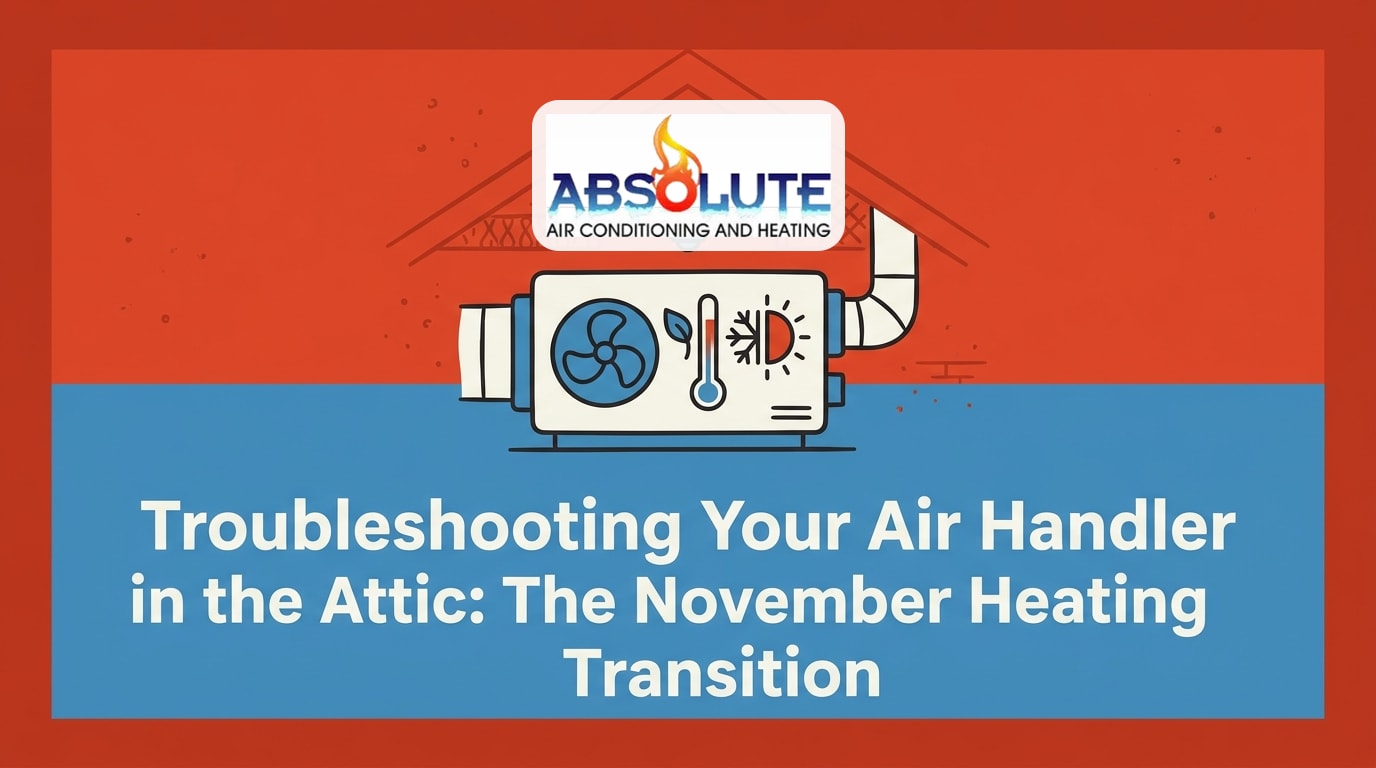
Troubleshooting Your Air Handler in the Attic: The November Heating Transition
Is that burning smell normal? Get clear answers with these home maintenance tips and troubleshooting steps to decide when to call a pro for your attic heater.

Why Does My Air Handler in the Attic Smell Like Burning?
Why does your heater smell on the first cold night? We get common homeowner questions answered about harmless dust burn-off versus dangerous electrical faults.

Air Handler in the Attic: Troubleshooting Seasonal Burning Smells
Smelling burning dust from your heater? Get clear answers on what is normal with these home maintenance tips and troubleshooting steps before calling a pro.

