
Heating Installation in Palm Springs, CA
Is Your Heating System Failing During The Desert Night?
Palm Springs might be famous for scorching summers, but locals know that when the sun sets, the desert temperature plummets, leaving homeowners with inadequate heating shivering in their own living rooms. If your heater is blowing cold air, making strange noises, or simply refusing to turn on during a cold snap, you need a solution that restores comfort immediately—contact us today to schedule an assessment or discuss our flexible financing options.
Don't let the desert's evening chill disrupt your comfort or endanger your plumbing. Our expert heating installation ensures your home remains warm and safe, even when outside temperatures dip significantly.
- Fast, same-day installation assessment to address immediate warmth needs.
- Reliable systems engineered for desert climates from top-rated brands.
- Comprehensive service coverage for homeowners throughout Palm Springs and neighboring areas.
Licensed technicians and extended warranties give you peace of mind with every installation.
What You Can Expect From a Modern Heating Installation
Securing a new heating system is about more than just swapping out a metal box; it is an investment in the long-term infrastructure of your home. When you commission a professional installation, you are purchasing a comprehensive service that guarantees efficiency, safety, and longevity. The process begins with a technical evaluation of your specific property. A technician does not simply guess the size of the unit based on the old one. Instead, a detailed load calculation is performed to ensure the new equipment matches the thermal characteristics of your home.
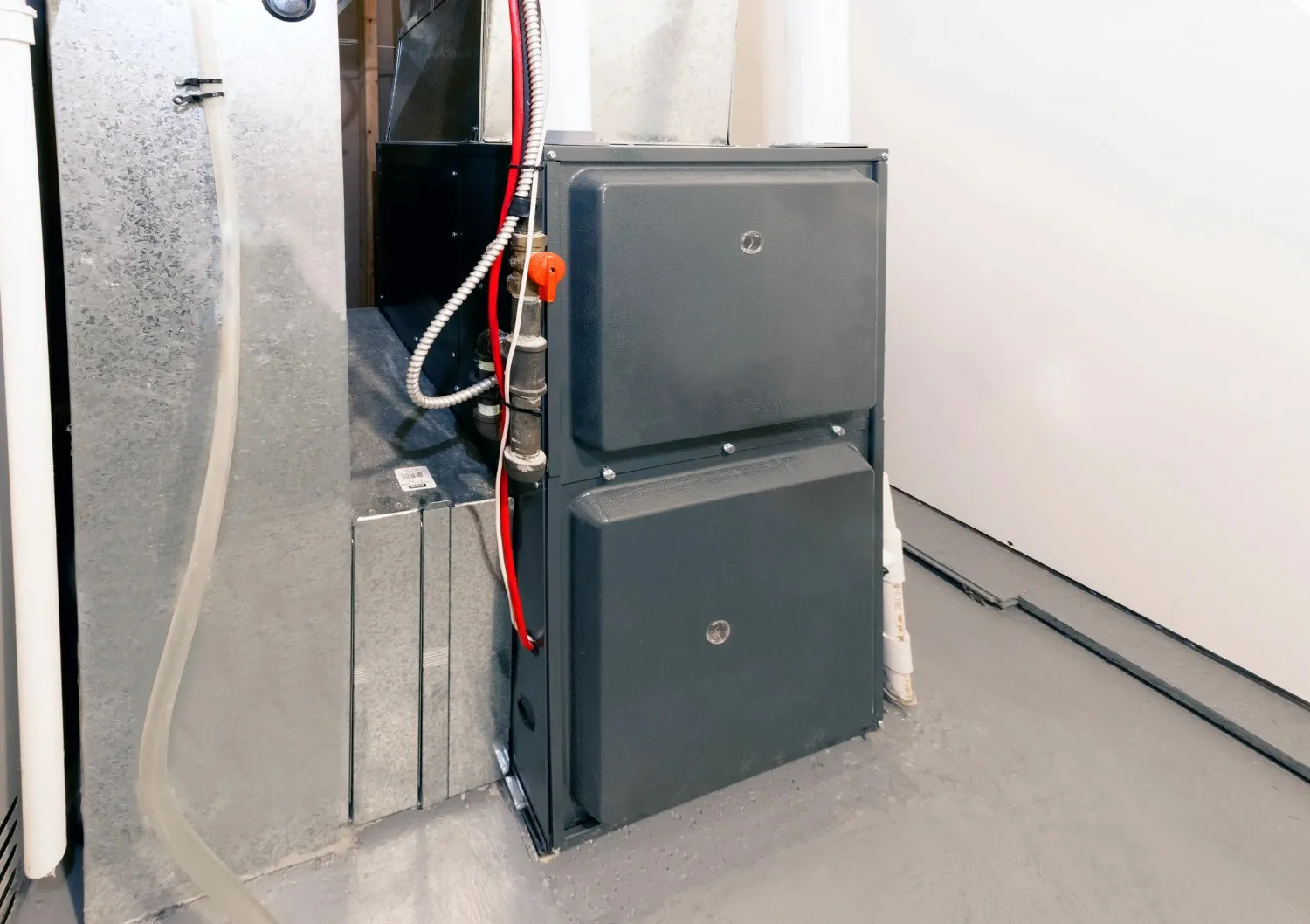
Residents in Palm Springs often face unique challenges regarding insulation and ductwork, particularly in mid-century modern homes or older constructions. A professional installation includes an inspection of the air distribution system. If the ducts are leaking or poorly insulated, even the most expensive furnace or heat pump will fail to heat the home effectively. The scope of work involves safely disconnecting gas or electrical lines, removing the old equipment in compliance with environmental regulations, and modifying the plenum or transition ductwork to fit the new, more efficient unit.
In terms of timeline, most standard residential installations are completed within a single day. The goal is to minimize downtime so your household is not left without heat overnight. This service includes the installation of a new thermostat or the integration of your existing smart home controls, ensuring that the interface you use daily is calibrated perfectly to the new machinery. By the time the technicians leave, the system is fully operational, the workspace is swept clean, and you have a clear understanding of how to operate your new equipment.
The Professional Installation Process Step-by-Step
A systematic approach prevents future breakdowns and ensures the safety of your household. We adhere to a strict protocol during every heating replacement project to maintain high standards of quality control.
- Site Assessment and Sizing: The process starts with a Manual J load calculation. This determines the exact heating output required for your square footage, window placement, and insulation levels. Undersized units run constantly without warming the house, while oversized units short-cycle, leading to premature wear.
- Protection of Property: Before any heavy lifting begins, technicians lay down drop cloths and floor protectors. The path from the service vehicle to the installation site is secured to prevent damage to flooring, walls, or landscaping.
- Safe Removal of Existing Equipment: Technicians shut off gas supply lines and electrical breakers. The old furnace or air handler is disconnected. If the unit contains refrigerant (in the case of heat pumps), it is recovered according to EPA guidelines. The old unit is then removed and hauled away for recycling.
- Ductwork and Plenum Modification: Newer units often have different physical dimensions than older models. The supply and return plenums—the metal boxes that connect the unit to your ductwork—are modified or rebuilt to ensure an airtight seal and proper airflow.
- Equipment Placement and Connection: The new unit is leveled and secured. If it is a gas furnace, the flue pipe (venting) is inspected and reconnected to ensure carbon monoxide is safely exhausted outside. Gas lines are connected with new sediment traps and shut-off valves if necessary. For heat pumps, refrigerant lines are brazed and vacuum-tested.
- Electrical and Control Setup: High-voltage wiring is connected to the unit, and low-voltage wiring is run to the thermostat. Technicians verify that the circuit breaker is sized correctly for the new equipment’s amperage requirements.
- System Startup and Commissioning: The system is powered on and put through a full test cycle. Technicians measure static pressure, temperature rise (the difference between air entering and leaving the unit), and gas manifold pressure. This data confirms the unit is performing to manufacturer specifications.
When to Choose Replacement Over Repair
Homeowners often struggle with the decision of whether to sink more money into an aging system or invest in a new one. While repairs can solve immediate issues, there is a mathematical tipping point where replacement becomes the more financially sound strategy.
- The 50% Rule: If the cost of the repair approaches 50% of the value of the system, or 50% of the cost of a new unit, replacement is generally the better choice. Spending thousands on a compressor or heat exchanger for an old unit is often throwing good money after bad.
- Age of the Equipment: The average lifespan of a gas furnace is 15 to 20 years, while heat pumps typically last 10 to 15 years. If your equipment in Palm Springs has exceeded these milestones, parts will become harder to find, and efficiency has likely degraded significantly.
- Rising Energy Bills: Heating technology has advanced rapidly. A furnace installed 15 years ago likely has an AFUE (Annual Fuel Utilization Efficiency) rating of 70-80%. Modern units range from 80% to over 98%. If your winter utility bills are creeping up despite normal usage, the system is wasting energy.
- Frequency of Breakdowns: If you have required multiple service calls in the last two years, the system is signaling that it is at the end of its life. A reliable heating system should not require constant intervention.
- Comfort and Noise Issues: Old systems often develop cracked heat exchangers or failing blower motors that create loud rattles or squeals. Furthermore, if you notice significant hot and cold spots throughout the house, the system is no longer distributing air effectively.
At this crossroad, Absolute Air Conditioning and Heating helps you analyze the long-term costs of keeping an old unit versus the immediate efficiency gains of a modern system.
Local Considerations for Palm Springs Residents
Operating a heating system in the Coachella Valley requires specific attention to local codes and environmental factors. The desert environment presents variables that are not present in coastal or mountain regions.
- Permitting and Title 24 Compliance: In California, HVAC installations are strictly regulated. All replacements require a permit from the local building department. This ensures the installation meets safety codes regarding gas piping, electrical grounding, and venting. Additionally, California's Title 24 energy standards often require duct testing and the installation of a programmable thermostat. Professional installers handle this paperwork and scheduling of city inspections.
- Utility Rebates: Depending on the efficiency rating of the new unit, homeowners in Palm Springs may be eligible for rebates through Southern California Edison (SCE) or SoCalGas. There are also federal tax credits available for high-efficiency heat pumps. Utilizing a licensed contractor is typically a requirement to claim these financial incentives.
- Desert Dust and Filtration: The high particulate matter in the desert air can clog standard filters rapidly, restricting airflow and overheating the heat exchanger. During installation, it is often recommended to upgrade the filter cabinet to accommodate a thicker media filter (4-inch) which offers better filtration and airflow than standard 1-inch filters.
- Gas vs. Electric Heat Pumps: While natural gas is common, many Palm Springs residents are switching to high-efficiency heat pumps. These electric systems provide both heating and cooling. Since the heating load in the desert is moderate compared to freezing climates, heat pumps are incredibly efficient here, often running at 300-400% efficiency compared to gas furnaces.
Differentiating System Types: Furnace vs. Heat Pump
Understanding the hardware options available allows you to choose the system that best fits your infrastructure and budget.
- Split-System Gas Furnaces: This is the traditional setup found in many homes. The furnace is located in a closet, garage, or attic and burns natural gas to generate heat. It works in conjunction with an air conditioner coil. These systems are powerful and can heat a home quickly, regardless of how cold it gets outside. They require gas lines and proper venting.
- Heat Pumps: A heat pump looks exactly like a central air conditioner. In the summer, it pumps heat out of your house. In the winter, it reverses operation and extracts heat from the outside air to bring it inside. Because they move heat rather than generate it, they are highly efficient. Modern inverters allow them to work effectively even when temperatures drop near freezing.
- Packaged Units: Many homes in Palm Springs, particularly those with flat roofs, utilize packaged units. These are all-in-one systems where the heating and cooling components are contained in a single cabinet located on the roof or a ground slab. Replacing these requires a crane and careful attention to the curb adapter—the metal frame that connects the unit to the roof ductwork—to prevent water leaks.
- Ductless Mini-Splits: For room additions, casitas, or garages converted into living spaces, ductless systems are ideal. They require no ductwork and allow for zoned heating. You can heat the master bedroom without wasting energy heating the guest rooms.
The Importance of Airflow and Ductwork
A high-performance engine cannot perform if the fuel line is clogged. Similarly, a high-efficiency heater cannot perform if the ductwork is compromised. In many older Palm Springs homes, ductwork may be crushed, disconnected, or comprised of deteriorating materials.
During the installation of a new heater, the condition of the ducts is critical. Leaky ducts create negative pressure in the home, which can pull dust, attic insulation fibers, and carbon monoxide back into the living space. Properly sealing and insulating ducts ensures that the heat you pay for actually reaches the rooms, rather than heating the attic or crawlspace.
Static pressure testing is used to diagnose airflow restrictions. If the return air grille is too small, the blower motor has to work harder, using more electricity and shortening the life of the component. Upgrading the return air intake is often a necessary part of a heating installation to ensure the new system breathes freely.
Post-Installation Support and Maintenance
The relationship with your service provider should not end once the truck drives away. A new heating system requires regular care to maintain its warranty status and efficiency. Manufacturers often require proof of annual maintenance to honor parts warranties.
- Warranty Registration: Professional installers handle the registration of the equipment with the manufacturer. This often extends the standard parts warranty from 5 years to 10 years.
- Labor Warranties: While the manufacturer covers the parts, the installation company provides a warranty on the labor. This covers any issues related to the workmanship, such as wiring connections, brazing, or duct sealing.
- Scheduled Maintenance: Regular tune-ups involve cleaning the burners, checking the heat exchanger for cracks, testing safety sensors, and tightening electrical connections. In the desert, cleaning the blower wheel is particularly important due to dust accumulation.
- Thermostat Training: Modern systems often come with Wi-Fi-enabled thermostats that offer features like geofencing, usage reports, and remote access. Post-installation support includes teaching the homeowner how to utilize these features to maximize savings.
Securing Your Home Comfort
Investing in a new heating system is a significant decision that impacts your comfort, safety, and finances for the next decade. By choosing a reputable provider, you ensure that the equipment is sized correctly, installed safely, and backed by solid warranties. Whether you need a powerful gas furnace for a large family home or a high-efficiency heat pump for a modern condo, professional execution is the key to performance.
Trust Absolute Air Conditioning and Heating to restore comfort to your home. Contact us today to schedule your consultation and take the first step toward a warmer, more energy-efficient home.

