
HVAC Repair in Palm Springs, CA
Resolve Your HVAC Issues Fast
Is your AC struggling against Palm Springs' extreme heat? Immediate and reliable HVAC repair can restore your comfort quickly. If your system is blowing warm air or making strange noises, contact us immediately or request service online to secure a technician today.
Absolute Air Conditioning and Heating understands that a broken air conditioner in the desert is not just an inconvenience; it is a safety concern. When the thermostat rises, you need a partner who responds with speed and precision.
- Get rapid response with our same-day service guarantee.
- Expert technicians ready 24/7 to manage any HVAC emergency.
- Free, no-obligation estimates for all repair services.
All repairs are fully licensed, insured, and backed by a satisfaction warranty.
Immediate Restoration of Your Indoor Comfort
When your cooling system fails during a heatwave, you need to know exactly what to expect from a service visit. The goal is to minimize downtime and restore safe temperatures to your home or business immediately — commercial services available. You receive a comprehensive diagnostic assessment that identifies the root cause of the failure, not just the symptoms.
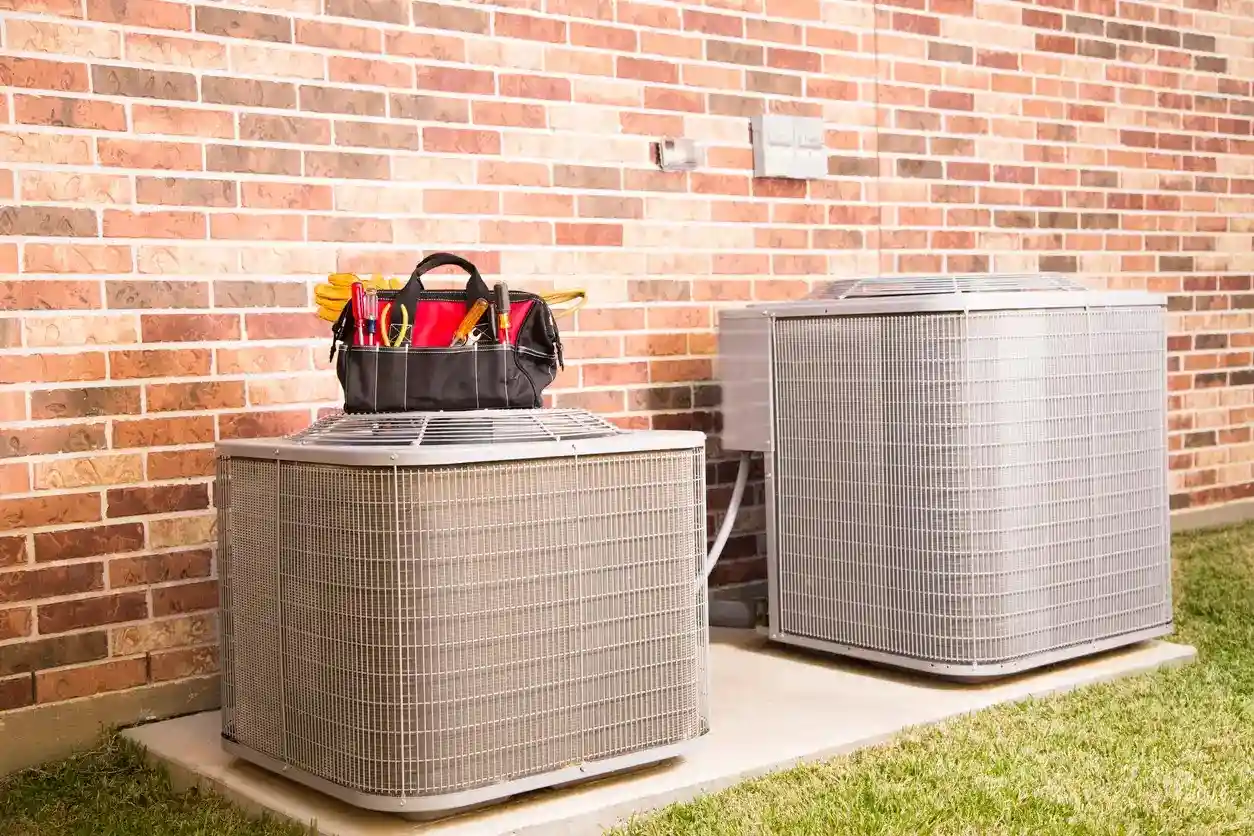
Technicians arrive fully equipped to handle high-demand failures common in the region. The service focuses on identifying components that have succumbed to thermal overload, electrical stress, or general wear and tear. You are provided with a clear explanation of the issue, a breakdown of necessary parts, and a timeline for completion. Most repairs are completed on the spot using stocked service vehicles, ensuring you do not have to wait days for relief.
Comprehensive System Diagnostics
Accurate repair begins with a thorough inspection. The technician evaluates the entire HVAC ecosystem to ensure that fixing one part does not lead to another failure shortly after. This includes checking refrigerant levels, testing electrical voltage and amperage against manufacturer specifications, and inspecting airflow dynamics.
- Electrical Component Testing: Capacitors, contactors, and relays are tested for wear and pitting. These components frequently fail under high heat loads.
- Refrigerant Charge Verification: Low refrigerant levels indicate a leak that must be located and sealed before recharging to prevent future freezing or compressor damage.
- Airflow and Static Pressure Analysis: Technicians measure static pressure to ensure the blower motor is moving enough air across the evaporator coil.
- Thermostat Calibration: Ensuring the interface controlling your system is reading temperatures accurately and cycling the unit correctly.
Handling Common Desert-Climate Failures
The environment in Palm Springs presents unique challenges for HVAC hardware. High ambient temperatures force compressors to work harder, while windblown dust and sand can clog condenser coils, severely reducing efficiency.
- Compressor Overheating: Extended run times can cause the compressor to trip its internal overload or burn out. Diagnostics determine if the compressor can be saved or requires replacement.
- Condenser Coil Blockages: Sand and debris accumulation acts as an insulator, preventing heat release. Deep cleaning the coils is often a necessary step in the repair process.
- Drain Line Clogs: Algae and sediment can block condensate drains, triggering safety switches that shut down the unit to prevent water damage. clearing these lines restores function.
How the Repair Process Works
Understanding the workflow helps remove the stress from an emergency situation. The process is designed to be transparent, efficient, and respectful of your property. From the moment a request is logged, the focus is on logistics and technical execution.
- First, you schedule a specific service window. Dispatchers provide updates on technician arrival times so you are not left waiting without information.
- Next, the technician performs a site evaluation. They will inspect the indoor handler and the outdoor condenser unit. This physical inspection is combined with digital diagnostic tools to pinpoint the fault.
- Then, you receive a flat-rate quote. The technician explains the scope of work, the parts required, and the total cost before any tools are turned. There are no hidden fees or surprise charges at the end of the job.
- After approval, the repair is executed. The technician replaces faulty components, cleans affected areas, and secures connections.
- Finally, the system is stress-tested. The unit is run through a full cycle to verify that it reaches the target temperature, cycles off appropriate, and operates at optimal pressure levels.
Deciding Between Repair and Replacement
Homeowners often face the difficult choice of sinking money into an aging unit or investing in a new system. This decision should be based on data and financial logic rather than immediate panic. While repair is often the fastest solution, there are scenarios where replacement is the more prudent financial move long-term.
The Age and Reliability Factor
HVAC systems in desert climates typically have a shorter lifespan than those in milder regions due to the intensity of usage. If a system is over 10 to 12 years old, major component failures—such as a blown compressor or a cracked heat exchanger—often signal the end of the unit’s useful life. Continuing to repair a unit in this age bracket can result in a "money pit" scenario where cumulative repair costs exceed the value of the system.
- Frequency of Breakdowns: If you have required multiple repairs in the last two years, the system is likely deteriorating rapidly.
- R-22 Refrigerant Availability: Older units utilizing R-22 (Freon) are becoming prohibitively expensive to repair due to the phase-out of this refrigerant. Upgrading to an R-410A or newer system eliminates this cost variable.
The Efficiency Equation
An old unit running at peak capacity may still be significantly less efficient than a modern system. SEER (Seasonal Energy Efficiency Ratio) ratings have improved drastically. A unit installed 15 years ago likely operates at 10 SEER or lower, whereas modern standards and high-efficiency units operate at 14 SEER to 20+ SEER.
- Energy Bill Spikes: If your electricity usage has increased despite normal usage patterns, the equipment is likely losing efficiency.
- The 50% Rule: A general industry guideline suggests that if the cost of the repair equals 50% or more of the cost of a new system, replacement is the better investment.
Absolute Air Conditioning and Heating technicians provide an honest assessment using these metrics, allowing you to make an informed decision without sales pressure.
Critical Local Considerations
Operating HVAC equipment in the Coachella Valley requires adherence to specific local standards and an understanding of regional infrastructure. This is not a generic service environment; the combination of regulatory codes and utility demands dictates how repairs should be handled.
Permitting and Regulatory Compliance
For standard repairs, permits are generally not required. However, if the scope of work escalates to a system replacement or significant alteration of ductwork, local building codes come into play. Compliance with the California Building Standards Commission ensures that any major work meets safety and efficiency mandates.
- Title 24 Compliance: California’s energy code (Title 24) has strict requirements regarding duct sealing and airflow verification. Any significant repair involving the plenum or ducting may require HERS (Home Energy Rating System) testing to ensure the system is not leaking conditioned air.
- Refrigerant Handling: Federal and state laws strictly regulate the handling and disposal of refrigerants. Certified technicians ensure that no harmful chemicals are vented into the atmosphere, protecting you from liability.
Utility Provider Integration
Working with Southern California Edison (SoCal Edison) programs can provide advantages to homeowners. Understanding peak load demands and time-of-use rates can influence how a system is calibrated.
- Smart Thermostat Integration: Many repairs offer the opportunity to upgrade to smart thermostats, which can be programmed to pre-cool the home during off-peak hours, reducing strain on the grid and lowering monthly bills.
- Rebate Eligibility: Certain repairs or upgrades to energy-efficient components may qualify for local utility rebates. A knowledgeable provider can advise on current programs.
Seasonality and Scheduling
The demand for HVAC services in Palm Springs fluctuates wildly. The shoulder seasons (spring and fall) are ideal for preventative maintenance and non-urgent repairs. However, when summer peaks, the demand for emergency service skyrockets. Establishing a relationship with a provider before a catastrophic failure ensures priority access during high-demand periods.
- Winter Operations: While cooling is the priority, desert winters can drop into the 40s at night. Heat pumps and gas furnaces must be inspected to ensure safe combustion and defrost cycles are working correctly before December.
- Summer Preparation: Proactive capacitor replacement and coil cleaning in April or May can prevent mid-July failures when wait times are longest.
Professional Standards and Technical Expertise
Choosing a service provider goes beyond finding the lowest price. It is about finding a company that safeguards the integrity of your home and the longevity of your equipment. Professionalism is defined by technical certification, liability protection, and warranty backing.
Verified Licensure and Insurance
You should never allow an unlicensed contractor to work on high-voltage electrical equipment or pressurized gas systems. Licensed contractors carry the necessary workers' compensation and general liability insurance. This protects the homeowner from financial responsibility should an accident occur on the property.
- EPA Certification: Technicians must hold Section 608 certification to legally handle refrigerants.
- NATE Certification: North American Technician Excellence (NATE) certification indicates a technician has passed rigorous testing on real-world working knowledge of HVAC systems.
Warranty and Workmanship Guarantees
A repair is only as good as the warranty that supports it. Reputable service providers stand behind their labor and the parts they install. If a repaired component fails shortly after service, you need the assurance that it will be rectified without additional cost.
- Parts Warranty: Most replacement parts come with a manufacturer warranty, typically ranging from 1 to 5 years depending on the component.
- Labor Warranty: Professional services include a guarantee on the workmanship, ensuring that the part was installed according to factory specifications.
When your comfort is compromised, you need a solution that is fast, legally compliant, and technically sound. Delaying a necessary repair can lead to higher energy bills, further system damage, and uncomfortable living conditions.
Secure your comfort today. Contact us now to schedule your HVAC repair and restore your system to peak performance.
Repair Services That Restore System Function Quickly
Unresolved HVAC issues often lead to higher costs and lost efficiency. With HVAC repair in Palm Springs, CA, Absolute Air Conditioning and Heating identifies the root cause of system faults and resolves them using proven methods. Our team repairs all major systems with a focus on accuracy and speed.
Fix performance issues with targeted repairs that last.

