
Heating Maintenance in Palm Springs, CA
Is Your Furnace Ready for Chilly Desert Nights?
Palm Springs winters might be mild during the day, but when overnight temperatures drop into the 40s, a malfunctioning heater becomes an immediate comfort issue for homeowners. If you are noticing uneven heating, strange noises, or spiking energy bills, contact us today to schedule a comprehensive tune-up or inquire about our flexible financing options for system repairs.
Many residents assume that because the desert heat is the primary concern, their heating system requires little attention. However, neglecting the heating side of your HVAC system often leads to inefficient operation and sudden breakdowns during the coldest weeks of the year. A proactive approach ensures your comfort is not compromised when the sun goes down.
- Restore peak efficiency to lower monthly utility bills immediately.
- Identify and resolve safety hazards like gas leaks, electrical faults, or cracked heat exchangers.
- Extend the lifespan of your current unit to delay expensive replacements.
- All services are fully licensed, insured, and backed by a satisfaction guarantee.
Comprehensive Heating System Inspection and Tune-Up
A heating system is a complex machine composed of electrical connections, fuel lines, moving parts, and airflow mechanisms. When you book a maintenance visit, you are paying for a rigorous audit of every component that contributes to the generation and distribution of heat. The goal is not just to turn the unit on and off, but to calibrate it to factory specifications.
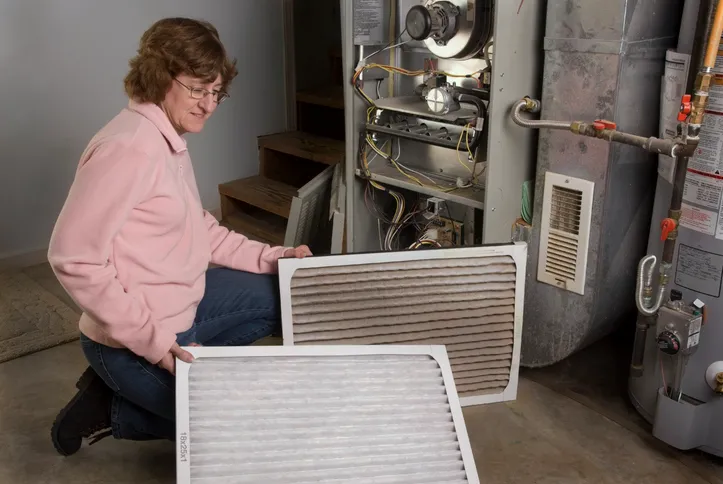
Effective maintenance covers three distinct categories: safety, efficiency, and mechanical integrity. By addressing all three, you ensure that the system operates safely for your family while consuming the least amount of energy possible.
Safety Protocol Checks
Safety is the paramount concern, particularly for gas furnaces. A compromised system can leak carbon monoxide or pose fire hazards. The maintenance checklist prioritizes these critical inspections before moving to performance tuning.
- Heat Exchanger Analysis: Technicians inspect the heat exchanger for cracks or fissures. A cracked heat exchanger is a primary source of carbon monoxide leaks and requires immediate attention.
- Gas Pressure and Valve Calibration: The gas valve is tested to ensure it opens and closes correctly. Gas pressure is measured to verify it matches the manufacturer’s specifications, preventing incomplete combustion.
- Flue and Venting Inspection: The venting system is checked for blockages, such as bird nests or debris, and examined for corrosion. Proper venting is essential for expelling exhaust gases safely outside the home.
- Safety Switch Testing: Limit switches and rollout sensors are tested to ensure they automatically shut the system down in the event of overheating or flame rollout.
Performance and Efficiency Optimization
Once safety is established, the focus shifts to how well the system performs. Absolute Air Conditioning and Heating technicians adjust components to ensure the system heats your home without wasting energy.
- Burner Assembly Cleaning: Dirty burners lead to uneven flames and poor heat transfer. These are removed, cleaned, and realigned to ensure a clean, blue flame.
- Blower Motor Inspection: The blower motor drives air through the ductwork. Technicians check the amp draw to ensure the motor is not overworking, lubricate bearings if necessary, and clean the blower wheel to improve airflow.
- Thermostat Calibration: The thermostat is the brain of the operation. It is checked for accuracy to ensure the temperature reading on the wall matches the actual temperature in the room, preventing the system from running longer than necessary.
- Electrical Connection Tightening: Loose wires cause resistance, which leads to heat buildup and component failure. All electrical connections are tightened, and voltage is measured across critical components.
Airflow and Mechanical Integrity
Proper airflow is the lifeblood of any HVAC system. In Palm Springs, where dust is prevalent, this step is vital for maintaining indoor air quality and system longevity.
- Filter Assessment: The air filter is inspected. If it is clogged, it restricts airflow, causing the heat exchanger to overheat. Recommendations are made for replacement or upgraded filtration options.
- Belt Tension and Wear: For belt-driven motors, the belt is checked for cracks, fraying, and proper tension. A loose belt reduces airflow, while a tight belt wears out bearings.
- Ductwork Visualization: Accessible ductwork is visually inspected for major leaks or disconnections that could be dumping heated air into the attic or crawlspace.
The Maintenance Process: What to Expect
Professional heating maintenance is a structured process designed to be thorough yet minimally intrusive to your daily routine. Understanding the workflow helps homeowners prepare for the visit and clarifies exactly what is happening with their equipment.
- Arrival and Site Assessment: The technician arrives within the scheduled window, respecting your property by wearing shoe covers and using drop cloths. The process begins with a discussion about any specific issues you have noticed, such as cold spots in certain rooms or unusual smells.
- System Shutdown and Disassembly: Power to the heating unit is turned off for safety. Access panels are removed to expose the internal components. This is when the deep cleaning and visual inspection occur.
- Testing and Calibration: After cleaning, the system is powered back on. The technician uses specialized gauges and meters to read gas pressure, temperature rise (the difference in air temperature entering and leaving the unit), and electrical usage.
- Final Report and Recommendations: You receive a detailed report of the findings. If a component is nearing the end of its life but hasn't failed yet, it is noted so you can plan for future repairs. If critical issues are found, options are presented immediately.
Why Proactive Maintenance Beats Emergency Repair
The decision to invest in annual maintenance is often a financial calculation. Homeowners sometimes view maintenance as an optional expense, but the data suggests that skipping tune-ups leads to higher costs over the lifespan of the unit.
Reducing Emergency Breakdown Risks
Heating systems rarely fail when the weather is mild. They fail when they are under the most stress—during the coldest nights of the year. An unmaintained system working hard to reach a high setpoint is prone to overheating and component failure. Routine maintenance identifies worn parts, such as a fraying belt or a weak capacitor, allowing you to replace them during a scheduled visit rather than during an emergency call-out.
Lowering Energy Consumption
A system that is clogged with dust and operating with uncalibrated controls must run longer to satisfy the thermostat. This increased run time directly translates to higher electricity and gas bills. By cleaning the blower wheel and heat exchanger, the system transfers heat more effectively, allowing it to cycle off sooner while maintaining comfort.
Warranty Compliance
Most major HVAC manufacturers require proof of annual maintenance to keep the equipment warranty valid. If a major component like a compressor or heat exchanger fails, the manufacturer may request service records. Without these records, they can deny the claim, leaving the homeowner responsible for the full cost of the part and labor.
Signs Your Heating System Needs Immediate Attention
While annual maintenance prevents many issues, certain symptoms indicate that a system is struggling and requires professional intervention before the next scheduled tune-up.
- Short Cycling: The heater turns on and off frequently without reaching the set temperature. This is often caused by a dirty flame sensor or a clogged air filter causing the limit switch to trip.
- Yellow Pilot Light: A gas furnace flame should always be blue. A yellow or flickering flame indicates incomplete combustion, which can lead to carbon monoxide production.
- Unusual Noises: Squealing indicates belt or bearing issues, while banging or popping can result from delayed ignition or expanding sheet metal.
- Weak Airflow: If the air coming from the vents is weak or lukewarm, it indicates an issue with the blower or a breach in the ductwork.
Local Considerations for HVAC in the Desert
Operating a heating system in the Coachella Valley presents unique challenges compared to other regions. The environment plays a significant role in how often maintenance is needed and what specific components are most vulnerable.
The Impact of Sand and Dust
The most significant environmental factor in Palm Springs is windblown dust and sand. Fine particulate matter infiltrates every part of an HVAC system. It coats the blower wheel, accumulates on the burners, and clogs filters rapidly. During a maintenance visit, technicians pay special attention to clearing this debris, as it acts as an insulator that traps heat where it shouldn't be, leading to premature component failure.
Heat Pumps vs. Furnaces
Many homes in the region utilize heat pumps, which provide both heating and cooling. Unlike a gas furnace that sits dormant in the summer, a heat pump works year-round. This means the compressor and reversing valve endure double the wear and tear of a standard system. Maintenance for heat pumps involves checking the defrost cycle to ensure the outdoor unit does not freeze up during cold desert nights.
Utility Rebates and Efficiency Standards
California maintains strict energy efficiency standards. Local utility providers often offer rebates for upgrading to high-efficiency heat pumps or performing specific maintenance tasks that reduce load on the grid. A professional service provider can advise on available incentives that help offset the cost of maintenance or system upgrades.
Technical Expertise and Professional Standards
Choosing the right provider for heating maintenance ensures that the job is done correctly and legally. Modern heating systems are sophisticated appliances that require specific diagnostic tools and up-to-date knowledge of building codes.
- Licensed and Insured Technicians: Working with gas lines and high-voltage electricity carries inherent risks. Professional technicians carry the necessary state licenses and insurance to protect the homeowner from liability.
- Advanced Diagnostic Tools: Accurate tuning requires more than guesswork. Technicians utilize combustion analyzers, manometers, and multimeters to obtain precise readings. This data-driven approach ensures the system is optimized based on facts, not assumptions.
- Transparent Communication: A reputable service provider explains the "why" behind every recommendation. You should never feel pressured into a repair; instead, you should be equipped with the information needed to make the best decision for your home and budget.
Protecting Your Investment
Your heating system is a significant investment in your home’s value and your family’s comfort. Treating it with the same level of care as your vehicle ensures it provides reliable service for years to come. Neglect leads to diminished performance, higher costs, and the inconvenience of unexpected failures.
By scheduling a professional tune-up, you secure peace of mind knowing that your system is clean, safe, and ready for whatever the winter weather brings. Don't wait for the first cold snap to discover a problem — schedule service today.
Ready to ensure your comfort this season? Contact us today to book your comprehensive heating maintenance service.
Maintenance That Prevents Heat Loss and Cuts Repair Costs
Consistent performance depends on regular system checks. Heating maintenance in Palm Springs, CA, from Absolute Air Conditioning and Heating includes safety inspection, airflow testing, and full system optimization. Our service helps extend system life and reduce energy waste.
Maintain heating performance with service that adds value.

