
HVAC Service in Palm Springs, CA
Eliminate Cooling Failures During Extreme Heat Waves
When your air conditioner fails amidst the scorching heat typical of a Palm Springs summer, immediate relief is not just a comfort—it is a necessity for safety and property protection. Call our team now for priority diagnostic scheduling and emergency response.
We understand that HVAC malfunctions rarely happen at convenient times. Discover swift, reliable HVAC services that restore your indoor climate without delay. Whether you are facing a complete system breakdown or inefficient cooling that drives up utility costs, our technicians provide the expertise required to resolve the issue permanently.
- Quick diagnosis and immediate repair services: We deploy fully stocked trucks to identify the root cause and cool your home or business swiftly.
- Transparent pricing and no hidden fees: receive a clear explanation of the work required and the associated costs so you can plan without surprises.
- 24/7 availability: Mechanical failures ignore business hours, so we are available to address your HVAC emergencies at any hour.
Licensed and fully insured for your peace of mind, with flexible financing available for major repairs and replacements.
Immediate HVAC Solutions and Diagnostic Scope
When you request service, the objective is to restore functionality to your heating and cooling system as efficiently as possible. In the climate, a system that is not operating at peak performance is not just uncomfortable; it is expensive. Absolute Air Conditioning and Heating utilizes a comprehensive diagnostic approach to isolate mechanical and electrical failures within your HVAC infrastructure.
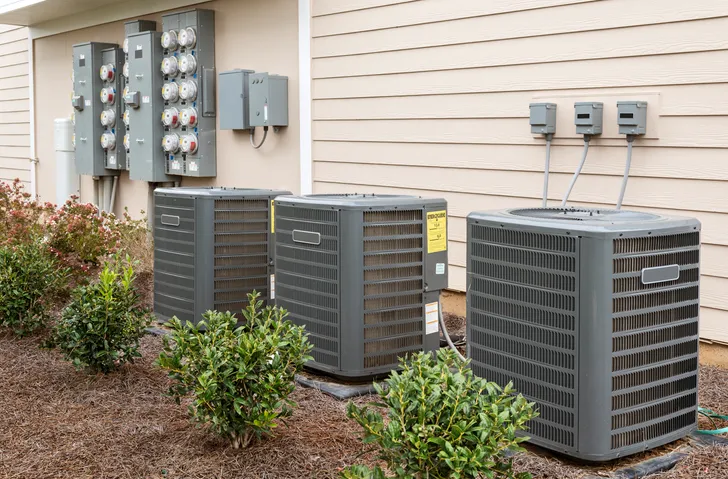
Upon arrival, a technician performs a systematic evaluation of the entire system. This is not a superficial check; it is a deep dive into the thermodynamics and electrical components of your unit. The service includes verifying refrigerant levels to ensure proper heat transfer, inspecting the compressor for amperage irregularities, and testing the electrical disconnects and capacitors which are prone to failure in high ambient temperatures.
For residents in Palm Springs, the focus is often on airflow and cooling capacity. If a system is running but not cooling, the issue could range from a refrigerant leak to a clogged metering device. Technicians check the evaporator coil for freezing and the condenser coil for debris blockage, a common occurrence due to local dust and wind.
Heating services are handled with equal rigor. While winters are mild, a functional furnace or heat pump is essential for chilly desert nights. Service calls address ignition failures, safety switch malfunctions, and heat exchanger integrity. The goal is to ensure that whether you are heating or cooling, the system operates safely and consumes the minimum amount of energy necessary.
The System Replacement and Installation Process
There comes a point where a system is beyond the scope of a cost-effective repair. When installation or replacement is necessary, a standardized, technical process ensures that the new equipment performs according to manufacturer specifications. Improper installation is the leading cause of premature HVAC failure.
The installation workflow follows a strict protocol to guarantee efficiency and longevity:
- Load Calculation and Sizing: The process begins with a Manual J load calculation. This determines the exact cooling and heating requirements of the structure. Guessing the size based on the previous unit is a mistake; modifications to the home, such as new windows or insulation, change the load. Correct sizing prevents "short cycling," where a unit turns on and off too frequently, increasing wear and humidity.
- Site Preparation and Protection: Technicians prepare the workspace to protect your property. Drop cloths are used to cover flooring, and the path to the equipment is cleared. Safety disconnects are turned off, and any remaining refrigerant in the old system is reclaimed according to EPA guidelines, preventing environmental contamination.
- Removal and Disposal: The existing air handler, furnace, and condensing unit are disconnected and removed. This involves cutting refrigerant lines and disconnecting high-voltage electrical wiring. The old equipment is hauled away for proper recycling and disposal.
- Equipment Installation: The new indoor and outdoor units are positioned. For the outdoor condenser, a new pad may be leveled to ensure stability. Inside, the evaporator coil and air handler are sealed to the existing ductwork to prevent air leakage. Refrigerant lines are brazed using nitrogen purging to prevent oxidation inside the copper tubing.
- Vacuum and Charge: Once the physical connections are made, a vacuum pump removes moisture and non-condensables from the lines. This is a critical step; moisture in the lines reacts with refrigerant to create acid, which eats away at windings. After a deep vacuum is achieved, the system is charged with the precise amount of refrigerant.
- Commissioning and Testing: The system is powered on and tested. Technicians measure static pressure, temperature split (the difference between supply and return air), and voltage. This validates that the installation meets the design parameters.
Determining When to Replace vs. Repair
Deciding between repairing an aging unit and investing in a new system is a financial and technical calculation. Homeowners often struggle with this decision when facing a significant repair bill. There are clear indicators that shift the logic from repair to replacement, particularly in regions with high usage hours like Palm Springs.
Evaluate the following criteria to make an informed decision:
- The 50% Rule: If the cost of the repair approaches or exceeds 50% of the value of a new system, replacement is generally the smarter financial move. Investing heavy capital into a degrading asset often leads to "throwing good money after bad" as other components begin to fail shortly after the repair.
- System Age and Refrigerant Type: Air conditioners generally have a lifespan of 10 to 15 years in extreme climates. If your unit is over 10 years old and requires a major component like a compressor or condenser coil, replacement is advisable. Additionally, older systems utilizing R-22 refrigerant are becoming obsolete and prohibitively expensive to service due to environmental phase-outs. Upgrading to a system that uses R-410A or newer refrigerants ensures long-term serviceability.
- Frequency of Breakdowns: A system that requires multiple service calls in a single season is signaling the end of its operational life. Recurring issues indicate that the system can no longer handle the heat load. While a single repair might seem cheaper than a new unit, the cumulative cost of repeated service calls, combined with the inconvenience of downtime, favors replacement.
- Energy Efficiency Ratings (SEER): Modern HVAC units are significantly more efficient than those manufactured a decade ago. A system with a SEER (Seasonal Energy Efficiency Ratio) of 10 or 12 consumes far more electricity than a modern 16+ SEER2 unit. In areas with high electricity rates and long cooling seasons, the energy savings from a high-efficiency unit can offset the monthly cost of financing a new installation — view available tax rebates.
Local Climate and Regulatory Considerations
Operating HVAC equipment in the Coachella Valley presents unique challenges that are not present in milder climates. The extreme thermal load impacts how systems are designed, installed, and maintained.
- Heat Load and Equipment Stress: During the peak of summer, ambient temperatures frequently exceed 100°F. This places immense pressure on the condensing unit. The equipment must work harder to reject heat from the home into the already hot outside air. This requires condensers with higher surface areas and robust compressors. Regular maintenance is not optional here; it is required to keep head pressures within safe limits.
- Dust and Debris Management: The desert environment is prone to wind and dust. Condenser coils can easily become clogged with sand and debris, which acts as an insulating layer. This prevents the coils from releasing heat, causing the compressor to overheat and eventually fail. Local service protocols emphasize chemical cleaning of coils to maintain airflow and heat transfer efficiency.
- Permitting and Code Compliance: HVAC replacements and significant alterations in California trigger Title 24 energy efficiency standards. Permits are required for change-outs to ensure the new system meets safety and efficiency codes. This often includes duct testing to verify that air is not leaking into attics or crawl spaces. Hiring a contractor who handles the permitting process protects the homeowner from liability and ensures the installation passes city inspection.
- Electrical Infrastructure: The high demand for air conditioning in Palm Springs can strain local electrical grids and home electrical panels. Ensuring that your home’s electrical service is sufficient to handle the startup amperage of a central air conditioner is part of the service scope. Hard start kits are often recommended in this region to assist compressors in starting up during high-heat conditions without dimming the lights or tripping breakers.
Technical Expertise and Service Differentiators
Choosing the right service provider determines the longevity and reliability of your HVAC system. The difference between a quick fix and a permanent solution lies in the technical training of the workforce. High-quality service goes beyond swapping parts; it involves understanding the physics of airflow and thermodynamics.
Technicians trained in advanced diagnostics use digital gauges and thermal imaging to see what is happening inside the system. This allows for the identification of issues that are invisible to the naked eye, such as hot spots in electrical panels or micro-leaks in the evaporator coil.
Furthermore, a professional approach involves respecting the homeowner's property. This means using shoe covers, laying down protective mats, and leaving the workspace cleaner than it was found. It also involves clear communication. You receive a detailed report of what was found, what options are available, and the pros and cons of each path. There is no pressure to buy unnecessary accessories; the focus remains on solving the immediate problem and ensuring future reliability.
Absolute Air Conditioning and Heating prioritizes technical accuracy and customer transparency. The goal is to build a relationship based on trust and competence, ensuring that when the heat rises, your system remains a reliable source of comfort.
Secure Your Comfort and Efficiency
A malfunctioning air conditioner in the desert is an emergency that requires professional attention. Do not let a minor issue escalate into a catastrophic system failure that leaves your home uninhabitable during a heatwave. Whether you require an urgent repair, a seasonal tune-up, or a full system replacement, professional assistance is available to guide you toward the best solution for your specific needs.
Ensure your home remains a sanctuary against the heat. Contact us today to schedule your comprehensive HVAC service or consultation.

